
Evaluation of the effectiveness of the enterosorbent Atoxil in the complex treatment of ascariasis in children
EVALUATION OF THE EFFECTIVENESS OF THE ENTEROSORBENT ATOXYL IN THE COMPLEX TREATMENT OF ASCARIDOSE IN CHILDREN
V.V. Korneva, L.V. Kurylo, V.G. Kozachuk, E.A. Boyarskaya, M.A. Kapichina
National Medical Academy of Postgraduate Education named after P. L. Shupyk, Kyiv City Children's Clinical Hospital No. 1
Resume. IN article presented results research efficiency enterosorbent 4 generations "Atoxil" in complex treatment of ascariasis in children. According to the results of the studies, the high therapeutic efficiency and good tolerability of the drug were revealed, which allows us to recommend it for wide use in the complex treatment of helminth infections, in particular, ascariasis, in dogs.
Key words: helminths, ascariasis, children, enterosorption, Atoxyl.
Introduction
According to the WHO, 4.3 billion people on Earth suffer from parasitic infections, of which about 1.4 billion suffer from ascariasis [2].
According to numerous studies, parasitosis contribute to the more frequent occurrence of somatic and exacerbation of chronic diseases, having a multifaceted effect on the host's body.
It is known that helminthic invasion leads to negative changes in the functional state of many organs and systems, dysbiotic phenomena, disruption of metabolic processes, which, as a rule, causes the development of endotoxic syndrome in patients [3, 9].
It should be especially noted that with helminthiasis, especially with ascariasis, there is a high degree of risk of allergic reactions. These manifestations usually manifest sharply during deworming. According to a number of authors, ascariasis, especially in the period of active therapy, causes "predictable" allergic negative reactions: exacerbation of atopic dermatitis, attacks of bronchial asthma, exacerbation of chronic gastroduodenitis or peptic ulcer disease of the stomach and duodenum, acetonemic crises and other conditions. In addition, relatively rare "provocations" of toxic endogenous syndromes may occur, leading to hemorrhagic vasculitis, glomerulonephritis [1, 3–5].
All this motivates the improvement of therapy for such a common pathology as ascariasis in children. It is necessary to remember that the therapy of ascariasis should be directed not only to the destruction of the causative agent of the disease, but also to the elimination of the consequences of its activity in the body (endotoxicosis, allergy, anemia, intestinal dysbiosis, hypovitaminosis, etc.).
The approach to the treatment of helminth infections, in particular ascariasis, should be complex, taking into account all stages of the pathogenesis of the disease. In this condition, in addition to anthelmintic drugs, it is necessary to include antihistamines, probiotics, vitamin complexes and enterosorbents in the complex of therapy. The latter are necessary to reduce absorption from the gastrointestinal tract of products of helminth metabolism, which reduces their sensitizing and toxic effect on the patient's body [9, 10].
Detoxification of an organism infected with helminths, especially in the deworming process, is one of the important components of complex therapy for patients. For this purpose, enterosorbents have been widely used in recent years, the range of which is quite large and constantly expanding in the pharmaceutical market of Ukraine.
It should be remembered that modern enterosorbents used in childhood must meet the following requirements:
- non-toxicity and hypoallergenicity;
- the absence of a damaging effect on the mucous membrane of the gastrointestinal tract;
- good evacuation from the stomach;
- high sorption capacity;
- favorable influence on gastrointestinal secretion and biocenosis of microflora of digestive organs;
- convenient form and ease of dosing;
- the absence of negative organoleptic properties of the sorbent (including aromatic additives) [7,8].
Such drugs that meet the specified requirements include "Atoxyl" - a drug of the 4th generation of sorbents (silicon dioxide "Orisyl®", produced by LLC "Orisyl", which passed the test for compliance with the standards of the FDA and the USA Pharmacopoeia according to monograph tests USP29 - NF24).
The main feature of the drug "Atoxyl" (silicon ultra-highly dispersed non-porous sorbent) is its protein sorption ability, which binds, inactivates and removes from the body exo- and endotoxins, allergens and antigens, degradation products of necrotic tissues and other harmful substances of protein origin. These properties of Atoxyl provide a powerful detoxification, immunostabilizing effect of the drug, contribute to the normalization of immunobiological reactivity and biochemical indicators [6].
In comparison with other sorbents (coal, organic polymers), Atoxyl has the largest active surface area of sorption — about 400 m²/g, thanks to which it exhibits maximum sorption activity, ensuring a rapid reduction of endogenous intoxication from the first administration of the drug. Due to the non-porous nature, the peak activity of the drug is observed 4 minutes after administration. The ability to bind microorganisms and viruses reaches high values (up to 10¹⁰ microbial bodies per 1 g), which ensures the adsorption of microbes and viruses, bacteriostatic and indirectly bactericidal action, inhibition of the invasion of pathogenic microflora through the mucosa of the gastrointestinal tract. This prevents the development of endotoxicosis, quickly eliminates the main symptoms — nausea, vomiting, diarrhea — and normalizes the indicators of coproscopy.
Atoxyl acts as a natural filter, possessing selective sorption: it cleanses the body of toxic substances and pathogenic microbes, leaving useful substances, and promotes the restoration of normal microflora. Atoxyl has a high safety profile and is recommended for children from 1 year of age. Unlike coal sorbents, it does not injure the gastric mucosa and is completely excreted from the body. In terms of organoleptic properties, the drug is much better than existing sorbents — it is easily accepted by children and adults [6].
All of the above motivated us to implement and study the effectiveness of enterosorption when deworming children, in particular when treating ascariasis. The sorbent of the 4th generation — Atoxyl — was used as an enterosorbent.
Purpose of research: to evaluate the effectiveness of the enterosorbent of the 4th generation of Atoxyl in the complex treatment of ascariasis in children.
Materials and research methods
The work was carried out in 2010–2011. on the basis of the Kyiv City Children's Clinical Hospital No. 1 (head doctor Yu.A. Kozhar), which is the clinical base of the Department of Pediatrics No. 2 of the NMAPO named after P.L. Shupyka (the head of the department is Prof. V.V. Berezhnoi). 60 children aged 2 to 14 years with diagnosed ascariasis participated in an open controlled study.
In patients who were in the department of gastroenterology, as well as in children who were examined and treated in the consulting clinic of the hospital, the drug "Atoxyl" was used during deworming with traditional drugs in complex therapy. Treatment and examination were carried out according to modern protocols [9].
All children underwent a thorough clinical and laboratory-instrumental examination: clinical analysis of blood and urine, coprology, determination of helminth eggs in fecal masses, ultrasound scanning of abdominal organs, biochemical determination of the functional state of the liver, according to indications — determination of the microbial landscape of the intestine, immunological examination by the ELISA method using antibodies of the IgG class. Clinical examination was carried out daily, laboratory-instrumental examination twice: before treatment (upon admission to the hospital) and for most patients at its end (5-8 days of hospital stay).
The study did not include children younger than 2 years and older than 14 years, patients with accompanying uncompensated diseases or acute conditions that could significantly affect the results.
All 60 patients were divided into two groups, comparable in age, premorbid background, etiology of the disease and other parameters:
-
First group (30 people) — children who were prescribed Atoxyl during deworming;
-
Second group (30 people) — children who were not prescribed enterosorbents during deworming.
A combination of ascariasis and intestinal giardiasis was observed in 14 patients from the total population examined (8 children — in the first group, 6 children — in the second).
Table 1
Leading clinical symptoms in the examined children at the beginning of treatment (%)
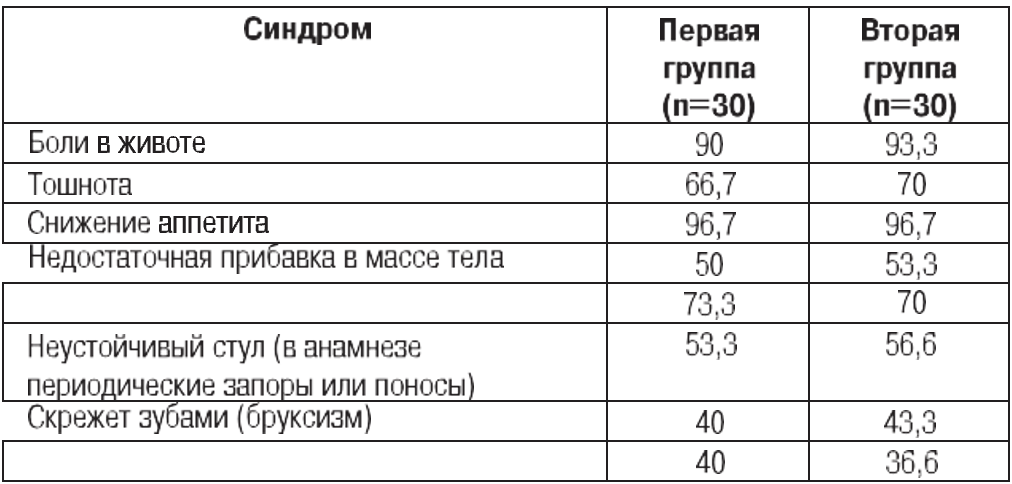
The leading clinical symptoms in the examined children at the beginning of treatment are presented in table 1.
Considering the small cohort of the examined, actual differences between the groups at the onset of the disease were not revealed.
All children underwent an immunological examination by the ELISA method using antibodies of the IgG class, the indicators of which in 100% cases were increased to one degree or another. With three stool examinations for the presence of helminth eggs, the diagnosis of "ascariasis" was confirmed in 70% children of the first group and in 73.3% children of the second group. Such a relative mismatch of paraclinical data is probably connected with the circulation of male helminths in the intestinal contents at the time of the examination or with the technical features of the study. The diagnosis of "intestinal giardiasis" was confirmed by ELISA (IgG) and coproscopically.
According to the other criteria of the paraclinical examination, there were no significant deviations that could affect the results of the study in all patients.
Anthelmintic treatment was carried out with traditional drugs effective in ascariasis and in combination with giardiasis. The dosage and treatment scheme were prescribed according to modern protocols for the treatment of helminthiasis and the manufacturer's recommendations.
Before the appointment of anthelmintic therapy and on the days of its implementation, as well as on the next day after treatment, children were recommended easily digestible products with a low fat content in liquid or semi-liquid form (soups, liquid porridges, pureed meat and vegetables, sour milk products).
In order to avoid the ineffectiveness of a single course of deworming, taking into account the biocycles of roundworms, a second course was conducted for all examinees 3 weeks after the first administration of the drug. Antihistamines were prescribed to patients with severe allergic history (atopic dermatitis, urticaria, etc.) — 12 children of the first group and 11 children of the second group — for 3 days before, during, and 5 days after deworming.
During the course of deworming, the children of the first group received the enterosorbent Atoxyl for 3 days (for ascariasis) or 5 days (for a combination of ascariasis and giardiasis). The daily dose was 100–150 mg per 1 kg of body weight.
The necessary amount of the drug (for example, 2–4 g, 1–2 sachets) was thoroughly mixed in 100–150 ml of neutral still or cooled boiled water to form a homogeneous suspension. When using a bottle of Atoxyl (10 g of powder), water was added to the standard container up to the mark of 250 ml, mixed until a homogeneous suspension was formed. 1 ml of the finished suspension contained 40 mg of the drug. The daily dose was divided into 3–4 doses. The maximum single dose did not exceed half of the total daily dose.
Patients were warned about the inadmissibility of taking Atoxyl dry powder by mouth, as it can cause irritation of the mucous membrane of the oral cavity and respiratory tract. In the case of joint use with other oral drugs, an interval of at least 1 hour before their administration was observed in order to avoid a decrease in the effectiveness of the drugs.
Table 2
Rating efficiency drug Atoxyl
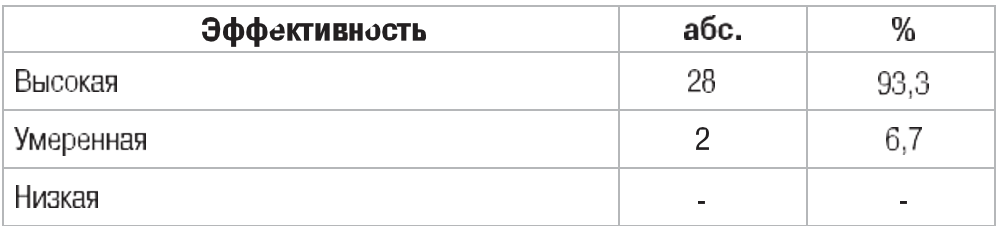
Table 3
Evaluation of the tolerability of the drug Atoxyl during deworming (n=30)

The criteria for the effectiveness of the drug Atoxyl were the following parameters (taken into account during the initial deworming and during the repeated course of treatment):
- the presence of symptoms of intoxication during deworming;
- increase in body temperature during deworming;
- assessment of stool character in children during therapy and in the next 3 days after its end;
- presence of allergic reactions or exacerbation of background allergic diseases.
The tolerability of the drug Atoxyl was assessed on the basis of subjective symptoms and objective data that occurred during the treatment. The dynamics of laboratory indicators, as well as the frequency of occurrence and nature of side effects, were taken into account.
Research results and their discussion
In children of the main subgroups, on the background of complex therapy, which includes the enterosorbent Atoxyl, a favorable tolerance of the course of deworming was noted. No negative reactions, complications of the treatment were observed. The assessment of the effectiveness of the drug Atoxyl and its tolerability are presented in tables 2 and 3.
The obtained results testify to the high efficiency and good tolerability of the drug Atoskil when deworming in children.
The dynamics of clinical symptoms by the 3rd day after the end of the first course of deworming is shown in fig. 1 and 2. In all cases, statistically significant differences (р<0.05) were observed between the corresponding indicators.
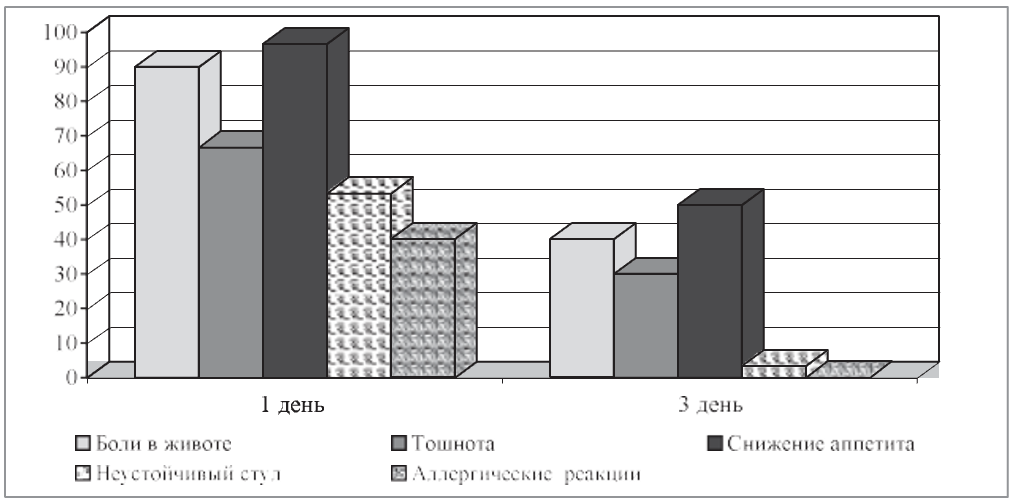
Fig.1. The dynamics of mourning in children of the main group on the background of therapy (%)
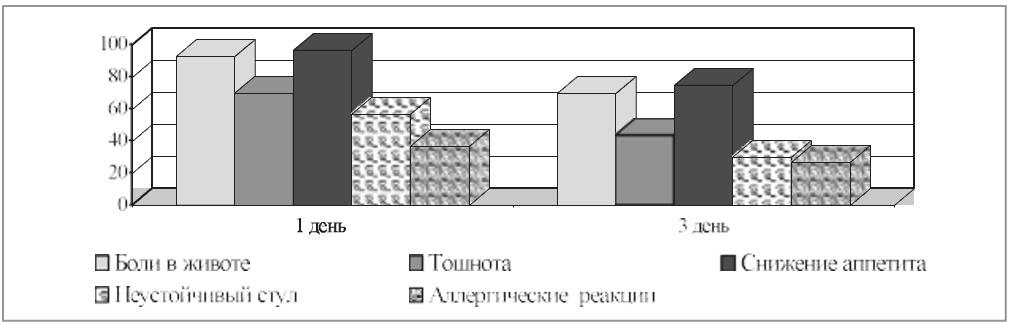
Fig. 2. The dynamics of mourning in children of the control group on the background of therapy (%)
The risk of side effects of deworming, such as changes from the central nervous system (headache, dizziness, drowsiness or insomnia), was also analyzed. Due to age characteristics, as well as the presence of asthenovegetative syndrome in patients before the start of therapy, it was difficult to assess the degree of objectivity of this syndrome. Nevertheless, in the analysis of 20 patients of the first group and 19 of the second group, it was noted that, against the background of Atoxyl, the frequency of these conditions in the second group was 2.3 times higher than in the first.
As can be seen in Figure 1, in the group of children who received Atoxyl in complex therapy, more positive dynamics were observed in a number of leading symptoms of the disease compared to the second group. The advantages of including Atoxyl in deworming therapy were especially pronounced in patients with allergic conditions.
To evaluate the quality of deworming and detoxification efficiency of Atoxyl, a repeated evaluation of clinical symptoms was carried out 1 month after the end of the treatment of ascariasis (Table 4).
It should be noted that no ascaris eggs were detected in the feces of all examined children of both groups for the indicated period, which confirms the effectiveness of deworming. Similar results were observed in children with combined pathology (ascariasis and intestinal giardiasis).
Table 4
Dynamics of clinical symptoms 1 month after the end of deworming, %

Note: * — p<0.05.
However, the positive dynamics of the main clinical symptoms in the first group significantly exceeded the similar indicators in the children of the second group, which is due to the favorable effect of endogenous sorption during the first and second courses of deworming in the children of the first group.
The data of a number of researchers testify that the use of endogenous sorption as part of the complex therapy of helminthiasis in children usually ensures long-term clinical stability of patients [3,4], which is also confirmed by the results of our study. Such a tactic allows not only to optimally carry out deworming in children of various age groups, but also to have a long-term beneficial effect on the subjective symptoms revealed at the beginning of the disease.
A significant reduction in the risk of allergic manifestations in children is also positive, both against the background of deworming with the use of enterosorbents, and in the early catamnesis period.
Currently, the team of authors of this article is studying the effectiveness of the enterosorbent Atoxyl in children with an allergic history in functional diseases of the gastrointestinal tract.
Conclusions
- The drug Atoxyl is effective when deworming children suffering from ascariasis in different age groups.
- The drug Atoxyl is well tolerated by children during deworming.
- The drug Atoxyl can be recommended for inclusion in complex therapy when deworming children suffering from ascariasis.
LITERATURE
- Bondarev E.V. Use of enterosorbents in medical practice [Electronic resource] / E.V. Bondarev, S.Yu. Shtrygol, S.B. Dyryaviy. — H.: Nat. Pharm. Univ. — Pre-soup mode: http://www.provisor.com.ua. — Title from the screen.
- Zaprudnov A. M. Helminthosis in children: practical. handbook for doctors / A. M. Zaprudnov, S. I. Salnikova, L. N. Mazankova. — Moscow: GEOTAR-MED, 2002. — 128 p.
- Kramarev S. A. Helminths and allergy. Contemporary approaches to the treatment of helminth infections in children / S. A. Kramarev // Health of the child. — — No. 4. - pp. 81-83.
- Kuznetsov S. V. The effectiveness of enterosorbent White coal in complex therapy of helminth infections in children / S. V. Kuznetsov // Health of the child. — — No. 4. — P. 30-33.
- Mechanisms of action of sorbents. Functional diseases of the digestive tract in children / Havkin A. I., Belmer S. V., Volynets G. V. [and others] // Principles of rational therapy: practical. manual [Electronic resource]. — Access mode: http://www.medi.ru. — Title from the screen.
- Nadraga O. B. Effectiveness of using the sorbent "Atoxil" in the complex treatment of oral viral gastroenteritis in young children / O. B. Nadraga, G. O. Lytvyn, N. M. Potsiluyko // Sovrem. pediatry. — — No. 2. —P. 138—141.
- Paykush V. A Comparative characteristics of silicon-containing enterosorbents when used in children with cancer / V. A. Paykush, R. P. Kozak, G. S. Havrylyshyn // Practical medicine. — — Vol. 8, No. 4. — P. 21—23.
- Paliy I.G. Modern look at the problem of enterosorption: selection of the optimal drug / I.G. Paliy, I.G. Reznychenko // Nov. medicine and pharmacy. — — No. 11 (217). — P. 15-17.
- On approval of protocols for providing medical care in the specialty "Parasitology": Order of the Ministry of Health of Ukraine No. 434 of July 2006 [Electronic resource]. — Access mode: http://www.moz.gov.ua. — Headline from the screen.
- Apical effect of diosmectite on damage to the intestinal barrier induced by basal tumor necrosis factor / Mahraoui L., Heyman M., Plique O. [et] // Gut. —1997. — Vol. 40. — P. 339—343.