+380 32 297 04 06

New Year's weekend: how not to become a victim of the holiday  

During the holidays, you want to surprise your loved ones with new dishes. Moreover, New Year's weekend is a time of long-awaited meetings with friends, preparing feasts, cooking numerous delicious dishes using mayonnaise, margarine, oil, pepper and spicy seasonings. You want to try everything at once. And this worsens the condition of the body, in particular the digestive tract. Headaches are inevitable. After all, New Year's Eve is not complete without champagne!

WHEN PRODUCTS LOSE THEIR USEFULNESS

 Fatty food in large quantities, and even at night, negatively affects the functioning of the liver, stomach, intestines, heart and kidneys. But few people think about this on a holiday. Food left over for the second day not only loses its value, but also becomes dangerous. This applies to both food and drinks. Side effects that require urgent action are stomach upset, poisoning, intoxication. In this case, an excellent option is to use the original silicon-based sorbent Atoxil, which has unique properties, binds and removes toxins, urea residues, "bad" cholesterol from the body. The process of removing harmful substances continues until the body is completely cleansed. Atoxil is not absorbed into the blood, but is excreted naturally, while removing harmful substances from the body and leaving useful ones. Atoxil can be used by both adults and children for food poisoning, digestive disorders, diarrhea, intoxication.

WAYS TO PREVENT HANGOVERS 

During the New Year holidays, in addition to problems from overeating, the well-known hangover also makes itself felt, which gradually turns into a chronic malaise if not treated properly. A hangover is characterized by headache, weakness, nausea, vomiting. If folk methods (pickle, coffee or a glass of something stronger) do not help, patients take pills in huge quantities, so to speak, for efficiency. However, there is another, more attractive option - ALKO-SORB - a drug based on natural silicon, succinic acid and taurine. This composition of ALKO-SORB allows you to find, bind and remove from the body the products of the decay of ethyl alcohol. Also, ALKO-SORB accelerates the process of "burning" alcohol in the body, thereby reducing the load on the liver, eliminates weakness and fatigue, restores energy balance. It is better to use ALKO-SORB after a feast, before going to bed or in the morning.

Take advantage of the wonderful properties of Atoxil and ALKO-SORB and feel great, and celebrate the New Year holidays with joy!

The place of modern enterosorption in the treatment of children with allergic dermatoses

THE PLACE OF MODERN ENTEROSORPTION IN THE TREATMENT OF CHILDREN WITH ALLERGIC DERMATOSES

E.N. Okhotnikova, K.V. Mellyna, L.V. Bondarenko, I.V. papa

National medical academy of postgraduate education named after P.L. Shupyka, Kyiv

Consultative and diagnostic polyclinic of the National Children's Specialized Hospital "OHMATDET"

Resume. The experience of using the drug "Atoxyl" in the complex therapy of allergic diseases (hives, atopic dermatitis) in children is shown. Enterosorbent Atoxyl has proven itself as an effective and important component of the complex therapy of alimentary-dependent allergic pathology. The use of Atoxyl allows to reduce the duration of the acute period of AD, urticaria and Quincke's edema in children and to reduce the course dose of systemic corticosteroids.

Key words: allergic diseases, complex therapy, enterosorbents, Atoxyl.

Introduction

Allergic diseases in children are widespread and lead among diseases of other etiologies. According to experts' forecasts, the 21st century will be characterized by the further growth of this pathology. Allergic dermatoses occupy a leading place in this group of diseases and are represented by a large number of nosological forms, including atopic dermatitis (AD), urticaria (K), Quincke's edema, medicinal allergic vasculitis, etc.

Allergy is currently considered a systemic pathology, and even in those cases where one organ is affected, there is always a risk of systemic manifestations. The formation of allergy in children is characterized by the stages of development of sensitization and the transformation of clinical manifestations of atopy depending on the age of the child. Most clinicians note the "rejuvenation" of allergic diseases, an increase in the specific weight of severe drug-resistant forms, and a tendency toward a chronic course.

Often in children with atopy, its manifestation manifests itself already in early childhood in the form of food allergy and AD, later allergic rhinitis and bronchial asthma are added. According to modern concepts, the severe course of AD and allergic rhinitis are risk factors for the subsequent development of bronchial asthma and other systemic manifestations of allergy.

The results of numerous studies indicate that allergic skin diseases, as a rule, occur against the background of concomitant pathology of the gastrointestinal tract and hepatobiliary system, the syndrome of excessive bacterial growth.

The digestive system, in direct contact with a huge number of foreign proteins, along with the nutritional function, provides protection of the body's internal environment from the influence of antigens of various origins: food, microbial, viral, fungal, and parasitic.

In physiological conditions, there are a number of barriers in the digestive system, represented by anatomical, physiological and immune factors, which prevent the penetration of food antigens into the internal environment of the body, where they induce an immune response. The failure of the above-mentioned barriers is more often manifested in childhood, which is connected with the anatomical and physiological features of the gastrointestinal tract. Damage to the barriers of the digestive tract as a result of inflammatory, infectious and parasitic diseases promotes food sensitization.

Recently, a lot of attention has been paid to disorders of not only cavity, but also parietal digestion. Inadequate digestion of proteins has a toxic effect and contributes to an increase in the permeability of the mucous membranes of the digestive tract. The liver is one of the main effector organs of the phagocytic mononuclear system. It is involved in the capture and elimination, first of all, of antigens of intestinal origin. Food allergies can occur when large protein molecules or their fragments pass through the liver filter, retaining their antigenic properties. In addition, the increased permeability of the small intestine allows a large amount of histamine to be absorbed with its subsequent entry into the bloodstream, since the possibilities of histamine to inactivate it are limited. A decrease in the functional activity of the pancreas, a decrease in the acidity of gastric juice, and dysbiotic processes in the intestine also contribute to the massive influx of antigens from the intestine into the blood circulation.

The development of allergic reactions in the syndrome of excessive bacterial growth is associated with the increased reproduction of histamineogenic flora, which increases the amount of histamine in the body by decarboxylation of food histidine. It is also important to reduce the production of histamine by the damaged intestinal lining. Products of the metabolism of microorganisms can also be allergens.

The development of pathological reactions to food can be carried out by various mechanisms. The true food allergy is based on an immunological IgE-mediated reaction. The pathological process, which is similar to allergy in terms of clinical manifestations, but does not have an immunological phase of development, when the pathochemical and pathophysiological stages coincide, is characterized as pseudoallergy. A. Andersen (1984) distinguishes 5 types of non-immune reactions in the formation of food allergy symptoms:

  • anaphylactoid reactions due to food histamine liberators;
  • reactions to food additives;
  • reactions to pharmacological agents coming from food;
  • reactions caused by enzymopathies;
  • reactions to food toxins (bacterial or food origin).

There are 3 generally recognized groups of mechanisms that play a leading role in the pathogenesis of food pseudoallergy:

  • histamine;
  • violation of complement system activation;
  • violation of arachidonic acid metabolism.

Despite the various ways of the formation of pathological reactions to food, all of them are accompanied by the development of an endogenous intoxication syndrome of varying degrees of severity, the clinical manifestations of which are general weakness, irritability, sleep and appetite disturbances, decreased concentration, changes in the body's temperature response, muscle pain, etc. Often, the intoxication syndrome is weakly expressed or is in a latent stage.

Endotoxinemia syndrome is associated with the accumulation of products of physiological metabolism in excess concentrations: pyruvate, lactate, creatinine, bilirubin, urea, products of impaired metabolism (ketones, aldehydes, alcohols, ammonia, carboxylic acids), mediators of inflammation, biogenic amines, cytokines, prostaglandins, microbial toxins, various antigens and immune complexes.

To normalize homeostasis in the complex treatment of patients with allergic dermatoses, modern detoxification methods are widely used. The most simple, convenient and effective method is enterosorption, which has found wide application in the treatment of allergic diseases, both in the acute period of the process and during remission.

The use of modern enterosorbents has a direct effect on the sorption from the intestinal lumen of allergens, xenobiotics, exotoxins, mediators of anaphylaxis, biologically active substances, prevents the formation of circulating immune complexes, which indirectly reduces the burden on the immune system, detoxification organs, normalizes the imbalance of biologically active substances and microbiocenosis in the human body.

Sorbents that are recommended for use in pediatrics, in the form of oral forms, must meet the following requirements:

  • have a high selective sorption capacity;
  • be relatively inert in the intestinal lumen;
  • minimally absorb useful substances;
  • will not cause trauma or any reactive changes in intestinal tissues;
  • not be toxic;
  • evacuate well from the intestines;
  • not have an unpleasant taste and smell;
  • be convenient for use in children.

Silicon dioxide, which is a microspherical ultra-high-dispersion enterosorbent of the new 4th generation (the area of active sorption is greater than 400 m2 for 1 g of substance), has pronounced sorption properties that meet these requirements. It has pronounced sorption, detoxification and antimicrobial properties. The drug is produced under the trade name "Atoxyl". It promotes absorption from the gastrointestinal tract and the removal from the body of exo- and endogenous toxic substances of various origins (including products of the life cycle of pathogenic microorganisms, food and bacterial allergens).

Materials and research methods

On the basis of the Consultative Diagnostic Polyclinic of the National Children's Specialized Hospital "OKHMATDET", a study was conducted to study the effectiveness and tolerability of "Atoxyl" as part of complex therapy in children with AD and relapsing urticaria.

The work was conducted as an open randomized study by the method of random selection of patients.

Research design:

The main groups are children who received treatment with the drug "Atoxyl":

  • 1st group — 30 children aged from 1 to 5 years old, suffering from AD;
  • 2nd group — 18 children aged 2 to 15 years, with acute (10 children) (OK) and recurrent (8 children) urticaria (RK);

The comparison groups consisted of children whose age, nosological form, and severity of the disease were comparable to children of the main groups, but whose treatment complex did not include an enterosorbent:

  • 1st group — 10 children with AD;
  • 2nd group — 10 children with urticaria.

Indications for the appointment of Atoxyl were the acute phase of the allergic process. The duration of use of Atoxyl was 5–10 days at a daily dose of 150 mg/kg. The drug was prescribed orally in the form of a dry substance diluted in water, 1–1.5 hours before meals and 2 times a day between doses. In patients with acute inflammatory manifestations of AD, characterized by wetting, Atoxyl was also used externally in the form of a powder.

Diagnostic support included: allergy anamnesis data, analysis of "food diary" data, clinical manifestations and their dynamics, ultrasound results of abdominal organs, level of total IgE and specific IgE-antibodies to various, including food, allergens determined by the ELISA method in the dynamics of observation, stool analysis for the amount and composition of microbial flora, coprogram, stool culture for flora, three-fold measurement of indicators - before treatment (0 day), on 7th and 14th days of the study, as well as similar systemic and external therapy (for AD).

The effectiveness of treatment was evaluated based on the dynamics of the following criteria: the SCORAD index (AD), the level of general and allergen-specific IgE, signs of damage to the gastrointestinal tract, the degree of dysbacteriosis (AD), the level of hematological activity (AC), the total dose of systemic corticosteroids (with AC), the duration of the acute period of each process.

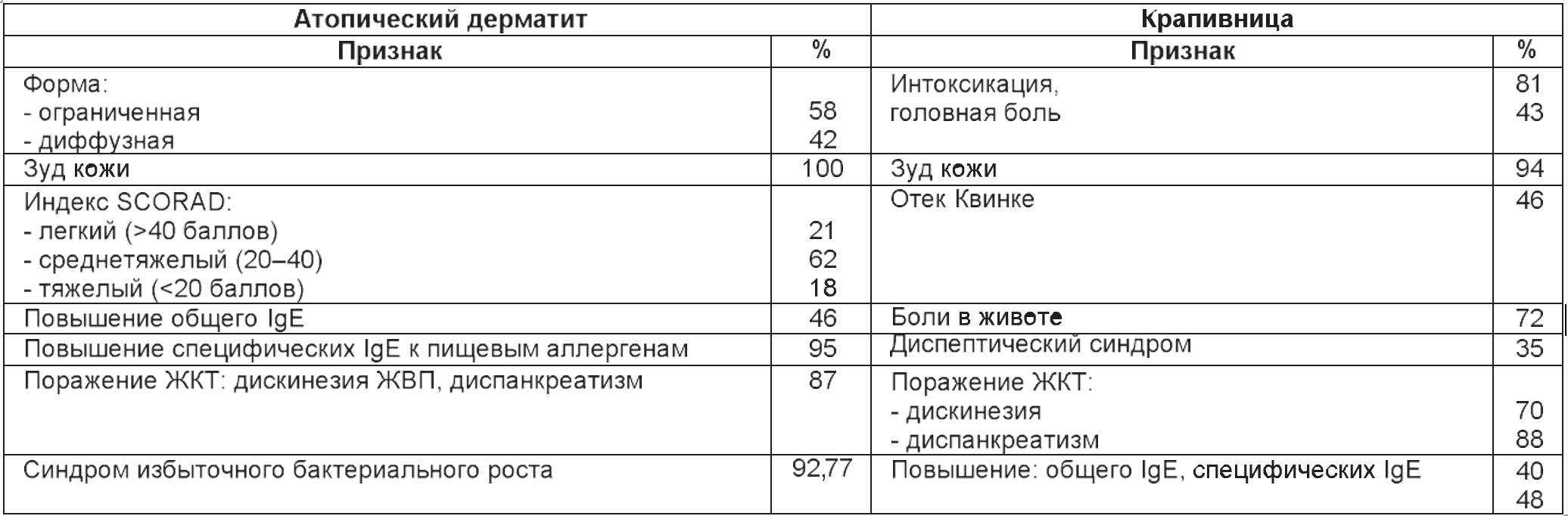
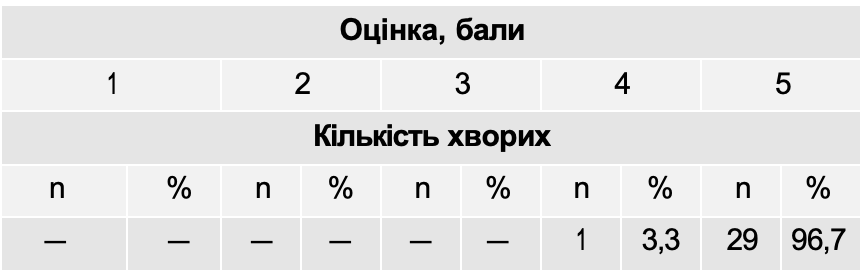
The clinical characteristics of the examined children are presented in the table.

Table

Characteristic contingents children (%)


Research results and their discussion

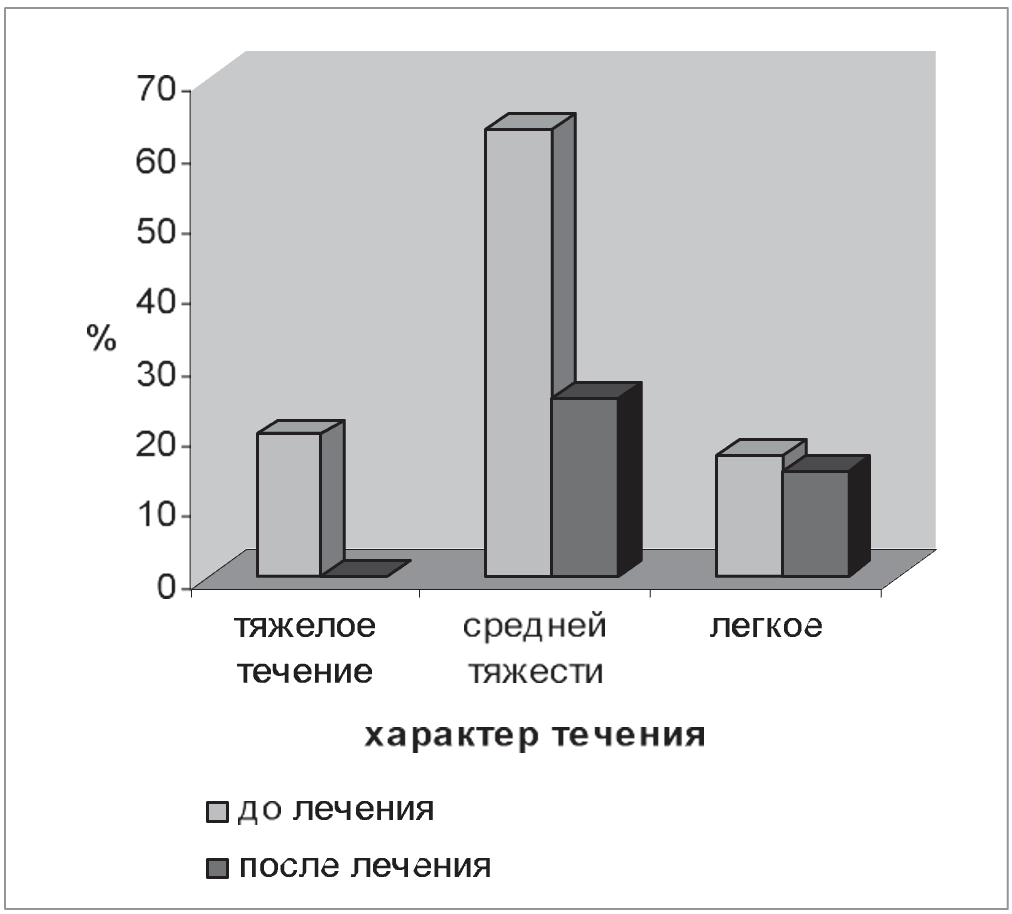
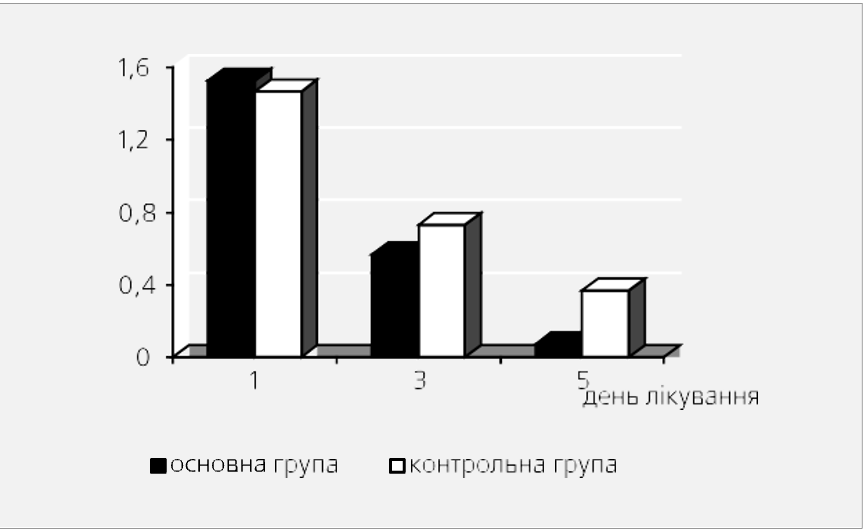
The analysis of the obtained data showed that in the children of the main groups, on the background of the use of the drug "Atoxyl", favorable dynamics of clinical manifestations were noted in the form of a decrease in the severity of objective symptoms (edema, hyperemia, rash, crusts), a decrease in the intensity of itching and disturbed sleep, which was manifested in a significant decrease in the integrative index SCORAD (Fig. 1).

The assessment of the dynamics of AD flow showed that, against the background of the use of enterosorbent, the signs of severe flow leveled out: the number of children with moderate flow decreased by 6.81 TP3T, and the number of children with mild flow of AD increased by 24.41 TP3T. The most resistant to therapy were children with sensitization to aeroallergens and food allergens, as well as patients with a diffuse form of AD.

Against the background of the therapy, hyperemia, edema and inflammatory infiltration of the skin on the face regressed more actively than in other areas. In children of early age, clinical improvement began earlier, and skin manifestations were easier to treat than in children 3–5 years old, in whom areas of the skin in the area of the elbow bends were slowly treated.

The area of rash and the intensity of objective symptoms proportionally decreased in all children already after 7 days of treatment. The study of the dynamics of itching showed that already after 1 week its severity decreased significantly (by 2.0–2.5 times). By the end of the 2nd week, weak manifestations of itching were noted only in 7 patients (24%). The children became calmer, sleep was restored.

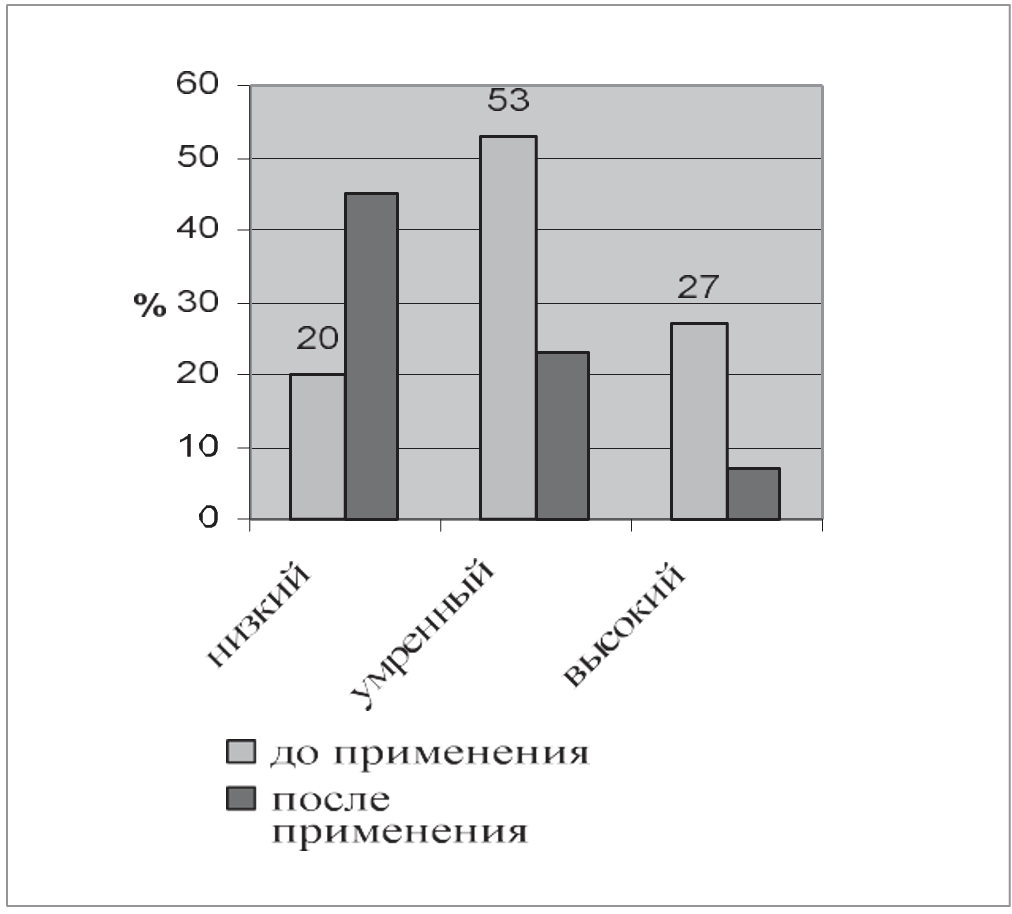
After 7 days, there was a decrease in the level of specific IgE to food allergens by 25–30% in children receiving complex therapy, and after 14 days — by 35–40%. In 3 patients of the 1st group with pronounced manifestations of eczema with wetting after external application of Atoxyl, a significant reduction in itching and soreness of the skin in the area of the lesion was noted.

Rice. 1. Dynamics of AD flow (SCORAD index) against the background of Atoxyl application

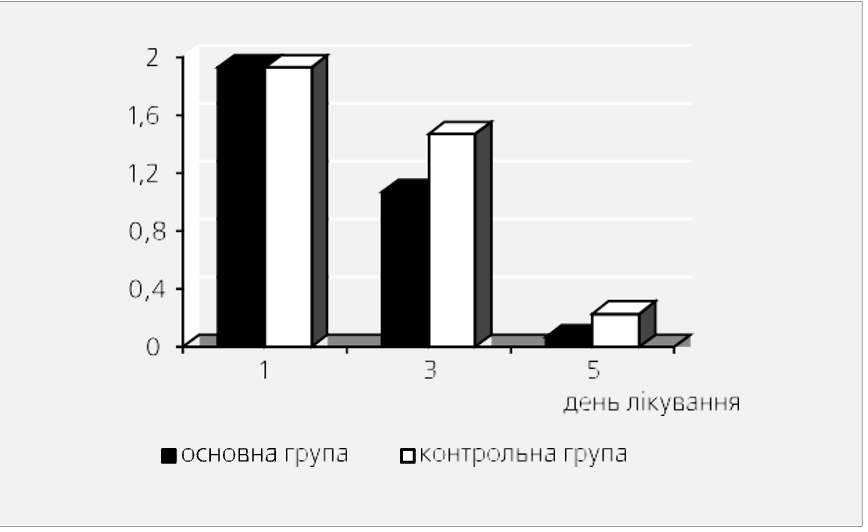
Fig. 2. Dynamics of the level of specific IgE to cow's milk proteins in children with AD after the use of Atoxyl

Figure 2 shows the dynamics of the level of specific IgE to cow's milk proteins.

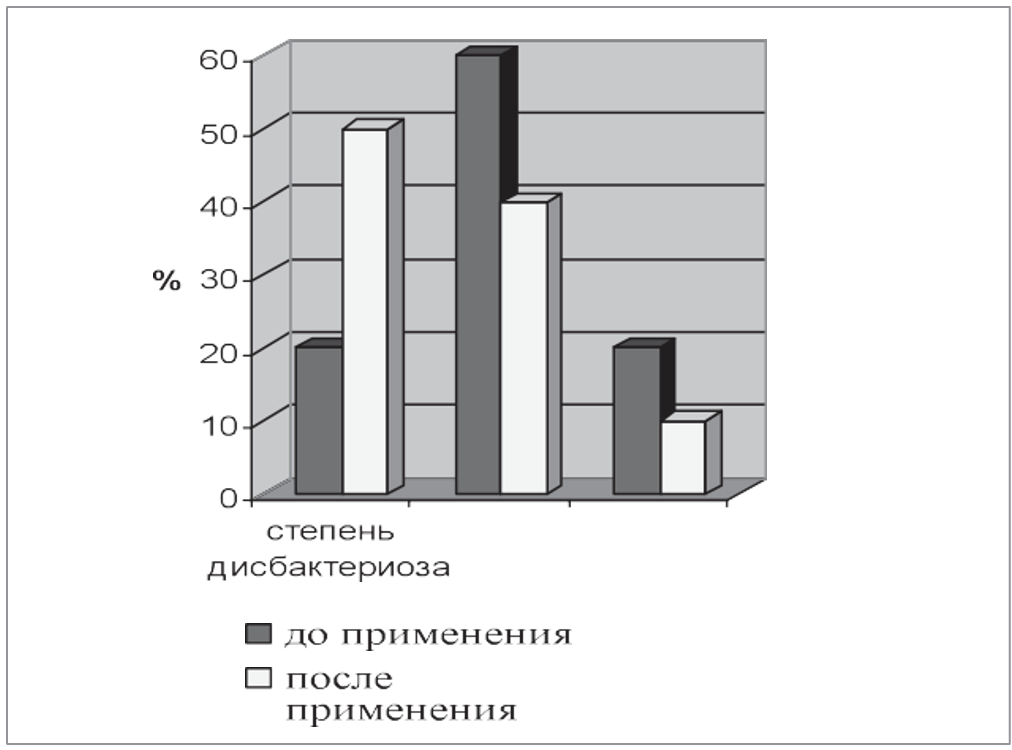
Against the background of treatment with an enterosorbent in children with allergic skin diseases, intestinal microbiocenosis disorders manifested by a deficiency of bifidobacteria and lactobacilli, an increase in the number and a change in the species ratio of opportunistic bacteria normalized. In the dynamics, there was a significant increase to the normal level of the population of bifidobacteria and lactobacilli in children who used Atoxyl and had an initial reduced level of these bacteria. Along with this, a clear positive trend in representatives of the conditionally pathogenic microflora of feces was revealed. Upon re-examination of feces against the background of Atoxyl application, normalization of intestinal microbiocenosis was noted in 14 (78%) children, and without the appointment of probiotics. In the children of the comparison group, normalization of the intestinal flora was either not observed, or occurred later (Fig. 3).

The use of Atoxyl in children of the main group with acute and exacerbation of recurrent urticaria contributed to the improvement of the patients' condition: on the 2nd day of application - in 48.8% children, on the 3rd day - in 41.4%, which was manifested by a decrease in each itch and the absence of new rashes. The symptoms of flatulence stopped, the stool normalized. According to the survey of children and their parents, on the 2nd day of use, an improvement in the general condition of almost all patients (96%) was noted: anxiety and irritability decreased due to a decrease in the intensity of itching, and appetite improved. In 13% children, the symptoms of acute urticaria stopped within 1 day, one child had a recurrent course.

Rice. 3. Dynamics of the degree of dysbacteriosis in children with AD against the background of the use of Atoxyl

Fig. 4. Dynamics of symptoms of urticaria against the background of the use of Atoxyl

In the children of the comparison group, who did not receive Atoxyl, positive dynamics were noted on the 4th–5th day. Normalization of laboratory indicators of blood activity was noted in 76% children who received enterosorbent on the 5th day, on the 6th — in 22% patients, on the 7th — in 13% children. In the patients of the comparison group, the improvement of these parameters was noted by the 7–8 day of therapy (Fig. 4).

Thus, the use of an enterosorbent accelerated the positive dynamics of clinical manifestations in children with acute urticaria and made it possible to reduce the duration and course dose of systemic glucocorticoids (GCS). The obtained results correlate with literature data that enterosorbents increase the sensitivity of GCS receptors, allowing to reduce the volume of GCS therapy by an average of 2 times.

Clinical improvement after the end of complex therapy with the inclusion of Atoxyl was recorded in 94.61 TP3T children. At the same time, clinical remission was achieved in 65.6% patients, significant improvement in 24.3% children, improvement in 6.6% children, and only 3.5% children had no effect. Children took Atoxyl without any complications.

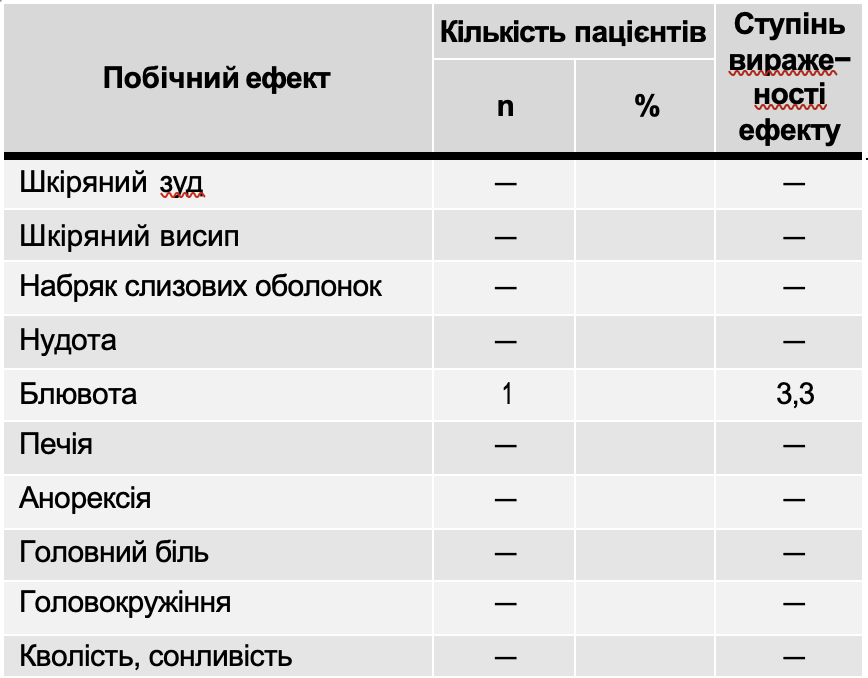
In no case were there any changes in the basic biochemical constants of the body. Side effects in the form of dyspepsia or allergic reactions were not revealed. It should be noted the good organoleptic properties of the sorbent: children, even young ones, did not refuse to take the drug.

Thus, the enterosorbent Atoxyl has proven itself as an effective and important component of the complex therapy of food-dependent allergic pathology. Its use allows to reduce the duration of the acute period of AD, urticaria and Quincke's edema in children, as well as to reduce the course dose of systemic corticosteroids.

Conclusions

  1. Atoxyl is a modern enterosorbent with unique properties and good tolerance by children of any age.
  2. The inclusion of enterosorbent Atoxyl in the complex therapy of AD and urticaria is pathogenetically justified and clinically expedient.
  3. The effectiveness of Atoxyl has been convincingly proven in patients with a significant food allergy, which was manifested by a reduction in the duration of the acute period of AD, urticaria, and Quincke's edema, a decrease in the level of specific IgE to cow's milk proteins, an improvement in the condition of the gastrointestinal tract (including the degree of bacterial overgrowth syndrome), a decrease in the total dose of systemic corticosteroids in children with an acute episode of urticaria and Quincke's edema.

LITERATURE

  1. Atopic dermatitis: [handbook for doctors] / under the editorship. Yu. V. Sergeeva. — M.: Medicine for all, — pp. 181-183.
  2. Atopic dermatitis: [handbook for doctors] / Ed. Prof. T. V. Protsenko. — 2nd ed., revised. — Donetsk: Vostochnyi izdatelskii dom, —128 p.
  3. Balabolkin I. I. Atopic dermatitis in children / I. I. Balabolkin. — Moscow: Medicine, 1999. — 238 p.
  4. Belyakov N. A. Enterosorption (introduction to the problem) / N. A. Belyakov A. V. Solomennikov. — L., — 35 p.
  5. Kalyuzhnaya L. D. Atopic dermatitis. Contemporary questions of diagnosis and treatment / L. D. Kalyuzhnaya // Klin. immunol., allergol. and infectol. — — No. 1. — P. 19-22.
  6. Kozlov S.V. Influence of various enterosorbents and enteral nutrition on chyme, intoxication, digestive and absorptive function of the intestines / S.V. Kozlov // Abdominal surgery. — Yaroslavl, — pp. 119-121.
  7. Lysykov Yu. A. Application of sorption technologies in surgical practice / Yu. A. Lysykov // Sat. works on the use of Enterosgel in medicine. — M., 2002. — Part I. — pp. 13-16.
  8. Nagornaya N. V. Use of enterosorption in the treatment of atopic dermatitis / N. V. Nagornaya, E. V. Bordyugova, A. V. Dubovaya // Sovr. pediatrics.— — No. 4(9). - pp. 67-70.
  9. Paliy I.G. Use of the enterosorbent Enterosgel in the complex treatment of diseases accompanied by skin allergic manifestations (brief overview of the literature) / I.G. Paliy, I.G. Reznychenko // Medical and biological aspects of the use of the enterosorbent Enterosgel for the treatment of various diseases: sb. science works - K., 2004. - P. 48-51.
  10. Shchelkunov L.F. Enterosorbents of ecologically harmful substances — an important group of food additives in the human diet / L.F. Shchelkunov // Modern problems of toxicology. — 2003. — No. 4. — P. 68-73.
  11. Growth pattern of breastfed and non-breastfed infants with atopic dermatitis in the first year of life / Agostoni, Grandi F., Scaglioni S. [et al.] // Pediatrics. — 2000. — Vol. 106 (5).
  12. Is atopy increasing? / Nakagomi, Itaya H., Tominaga T. [et al.] // Lancet. — 1994. — Vol. 343. — R. 121-122.

Comfortable antibiotic therapy in schoolchildren

No matter how hard parents try to protect their children, there are situations when a doctor must prescribe antibiotics to a child.

But still, parental fears about antibiotics are not unfounded and are amplified even more by one look at the list of side effects in the instructions. Most of them are very unlikely, but no one is immune to allergic reactions and dysbacteriosis. And even the often recommended intake of probiotics (lacto-bifidobacteria) together with or after a course of antibiotics does not save the situation due to the disturbed balance of the microflora. Beneficial flora is partially destroyed by antibiotics, and its place is immediately occupied by aggressive harmful bacteria, which will not just give their place to "new" ones (artificially populated lacto-bifidobacteria). But this battle is worth winning, because it is difficult to overestimate the importance of the beneficial microflora of your child - it helps in digestion, and protects against allergies, and the formation of a strong and immune system of the growing body. And the most important thing is that the "healthy" useful microflora does not allow dubious organisms to multiply (such as staphylococcus, which kills everyone, fungi of the Candida genus, etc.)

So, in today's dynamic world, when one is sick, one needs to protect one's children from the consequences of antibiotic therapy now with the help of a new drug - Eliminal gel  - a unique combination of highly active silicon sorbent of the latest generation and natural prebiotic lactulose.

Eliminal gel eliminates the most frequent and unpleasant consequences of taking antibiotics - this is a violation of the intestinal microflora and the development of an allergic reaction.

Silicon sorbent inhibits the growth and development of pathogenic and conditionally pathogenic microflora, and lactulose restores its own protective microflora, being an ideal nutrient medium for it - such a combination of components in Eliminal gel - this is an ideal solution to the problem of dysbacteriosis due to taking antibiotics.

The silicon sorbent already binds and removes all allergens and toxins for 5 minutes while destroying bacteria, and lactulose provides protection and regeneration of the intestinal mucosa (due to the formation of short-chain acids), preventing toxins and allergens from entering the blood in time, therefore Eliminal gel - this is a reliable cover from allergic reactions when taking antibiotics.

"Eliminal gel" is produced in the form of a gel in sachets and has a pleasant barberry taste. It is recommended for the treatment of adults and children from 6 years of age.

Client vs Patient

Modern features of the patient of cosmetology centers

People with certain cosmetic defects or problems quite often do not associate the skin condition with accompanying somatic pathology and/or its treatment. Moreover, to this day, specialists who provide medical cosmetology services use the term "client" in relation to these persons, not patient, from the initially identical concept of "patient" = "patient".

It is common knowledge that the condition of the skin reflects the functioning of various organs and systems of the body: sex hormones (acne, pigmentation, lack of fine or insufficient hair growth, oily or dry skin), thyroid gland (dry skin, hair loss), treatment of other organs of the digestive system (dry skin, pigmentation, allergic reactions, etc.). At the same time, aesthetic changes on the skin may accompany or precede somatic pathology, and the effectiveness of cosmetology procedures and the risk of complications may depend on the activity and severity of the background somatic pathology. That is why medical cosmetic interventions (all injection procedures, laser and other active effects) require a medical approach and assessment of the risk of possible complications and benefits.

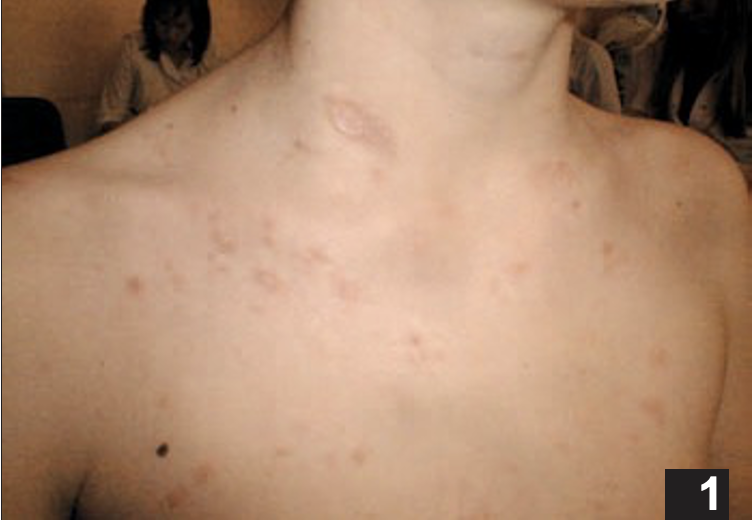
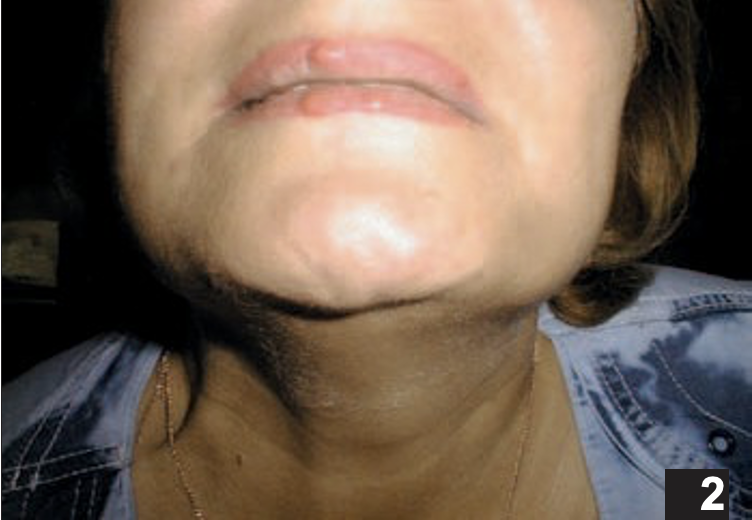
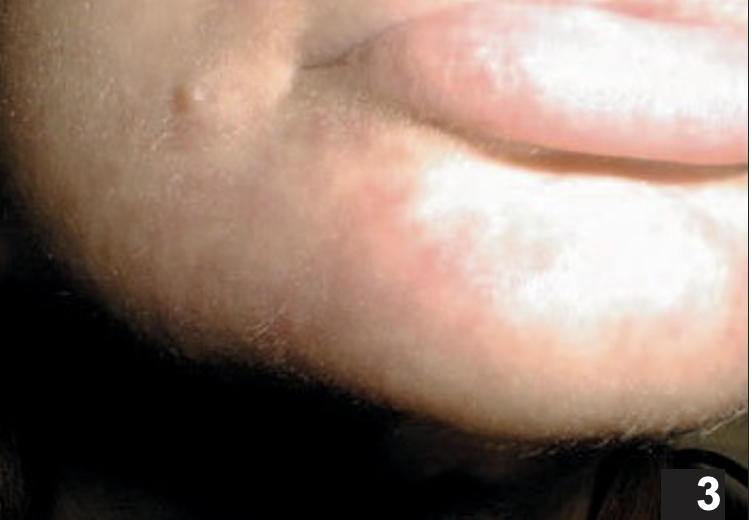
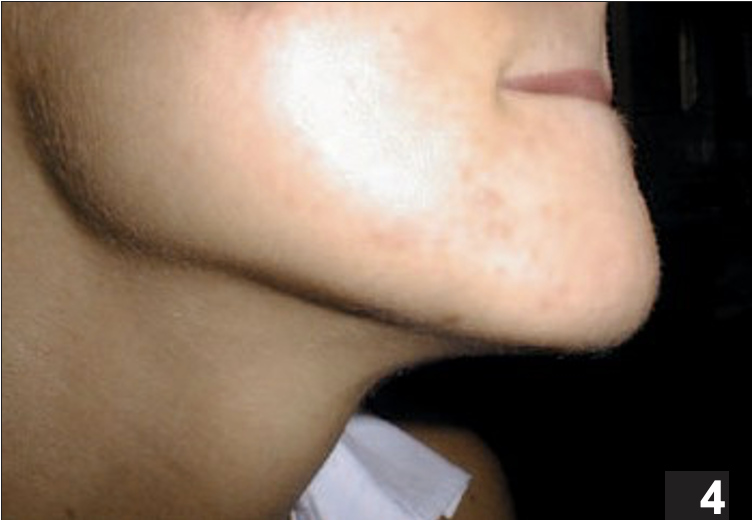
The "alphabet" of the medical approach includes 3 main components: survey (collection and analysis of anamnesis), examination (of every cover, not only the place of the alleged exposure), examination (according to indications, or analysis of previous results according to medical documentation) (photos 1-4).

Zhiber's pink lichen in a 25-year-old patient with postacne who came for a chemical peel. Is it possible to do the procedure on the face?

Tuberous xanthomas in a 56-year-old woman after lip volume correction. Follow-up analysis of history, examination and examination: unstable fibromyoma of the uterus, dyslipidemia, high levels of cholesterol and triglycerides in the blood, numerous flat xanthomas
Acute urticaria after the introduction of the hyaluronic acid preparation to increase the volume of the lips in a patient with an atopic history, intestinal dysbacteriosis and hyperandrogenic syndrome

Numerous flat warts that appeared after chemical peeling in a patient with intestinal dysbacteriosis

Neglect of taking an anamnesis and analysis of medical documentation, underestimation of previous diseases and/or inability to analyze anamnestic data can lead to the ineffectiveness of the cosmetic procedure or the risk of complications [1, 2].

We conducted an analysis of clinically significant features of patients of cosmetology medical centers in modern conditions, including the general somatic status of so-called "conditionally healthy persons".

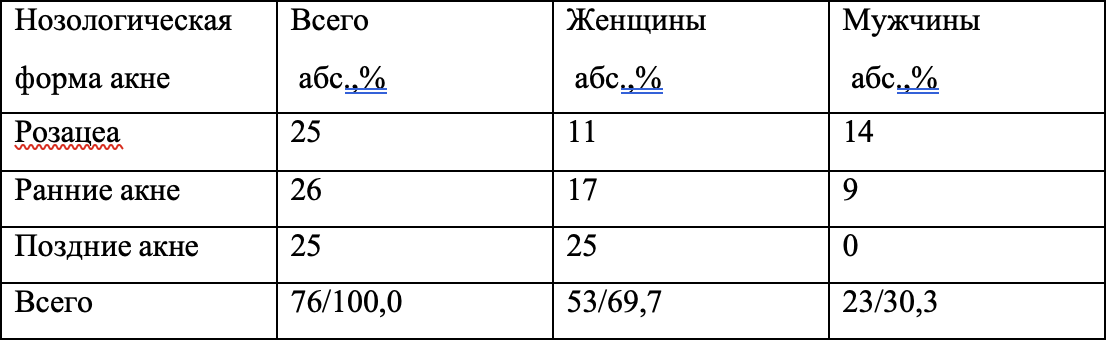
The anamnesis, catamnesis, medical documentation and results of clinical laboratory examination of 168 patients (56 men and 112 women aged 18 to 63 years) who turned to medical cosmetology centers due to aesthetic problems, including acne — 53, hair loss — 59, rosacea — 21, facial pigmentation — 35, were studied.

The questionnaire method was used to assess the level of education (incomplete secondary, secondary, higher), propensity for self-medication, adherence to a healthy lifestyle (balanced diet, frequency of food intake, smoking, alcohol, physical activity), the nature of night sleep. Allergic, including atopic anamnesis, the presence of accompanying somatic pathology, focal otherinfections, frequency of ARVI, etc. Instrumental laboratory methods were used to determine the state of the thyroid gland, pelvic organs, and abdominal cavity. 

I would like to draw your attention to the fact that all patients, without exception, considered themselves somatically healthy or had been sick only earlier and did not associate the appearance of aesthetic problems with their general state of health.

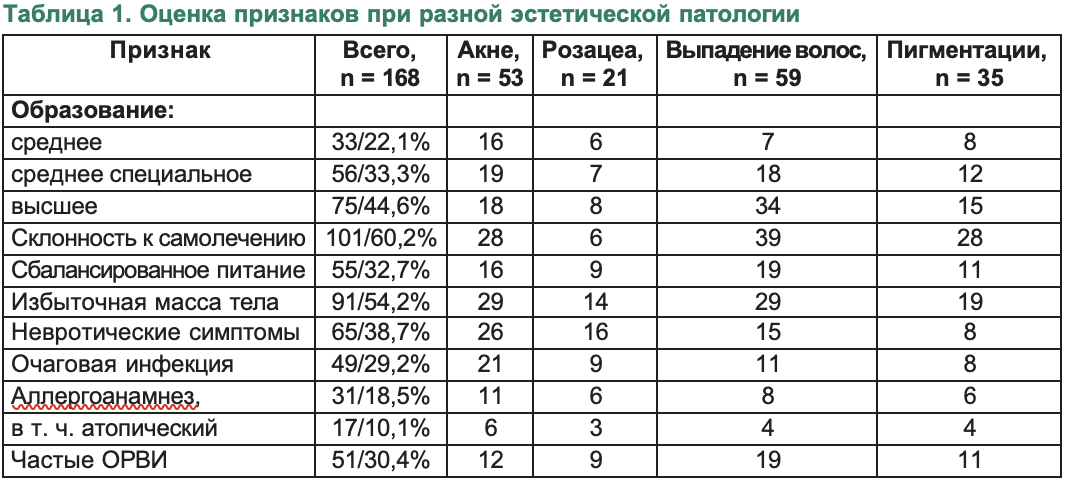
When analyzing the level of education, it was noted that 77.9% patients had a higher, incomplete higher or secondary special education, while the patients themselves chose which specialist they should turn to with the existing problem, and they themselves decided which complaints were related to this problem. Despite the high level of education, more than half of the patients (60.2%) engaged in self-medication for a long time, mainly using biologically active supplements, homeopathic remedies, cosmeceuticals, folk remedies and herbal treatment (table 1). Ignoring these anamnestic factors in case of selective reactive ingredients of cosmetology effect may contribute to the development of adverse reactions due to drug interactions.

Balanced nutrition could be recognized only in 32.7% patients, while examination and assessment of the condition of the skin and its appendages revealed signs of polyhypovitaminosis in the examined patients (dry skin, onychodystrophy, leukonychia, follicular keratosis on the extensor surface of the shoulders, etc.). Perhaps this was one of the risk factors for excess body weight, which was noted in every second examined patient (in 54.2%).

A severe allergy history was revealed in 18.5% examined, including atopic — in 10.1%. In these cases, there should be high vigilance in terms of the risk of developing allergic reactions (local and/or systemic). Frequent acute respiratory infections, herpes, foci of chronic infection, which can increase the risk of complications during invasive procedures, were identified in 59,6% patients.

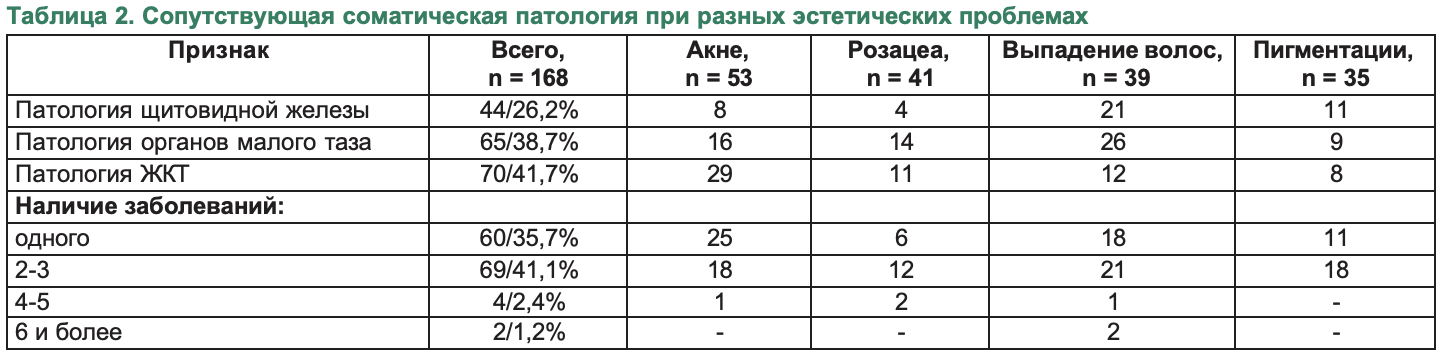
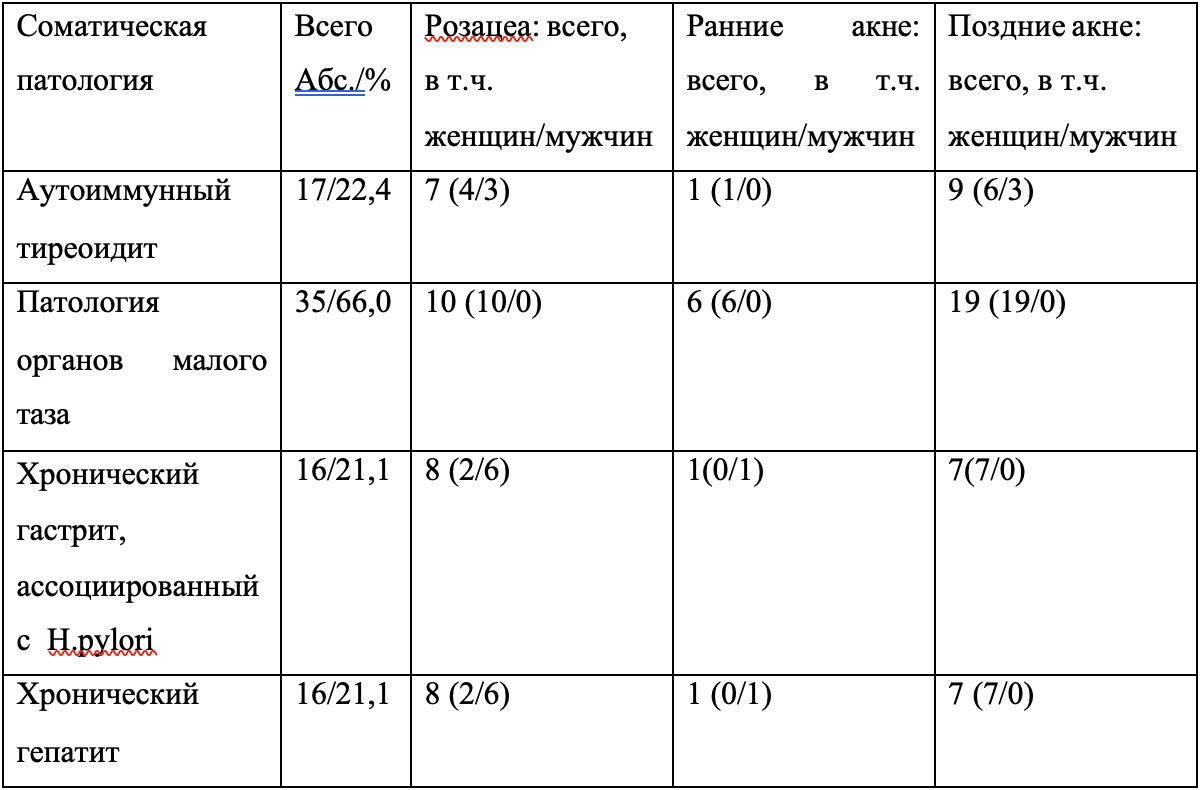
Among somatic pathologies that require an assessment of the activity and stage of the process before carrying out invasive cosmetic procedures, the high frequency of occurrence of gastrointestinal tract pathology drew attention - in 41.7% patients; organs of the small pelvis — in 38.7%; thyroid gland — in 26.2% (table 2). Invasive cosmetology procedures are expediently carried out either in the stage of remission or during controlled treatment.

An important feature of the examined patients was the presence of multiple diseases (polymorbidity). At the same time, 23 diseases were observed in the majority of patients (41,1%), with women significantly more often than men, and their number increased with age. Primary chronic diseases, especially those of metabolic dystrophic origin, cause the syndrome of so-called "mutual aggravation" [2], which can affect the effectiveness of cosmetic treatments and increase the risk of unwanted side effects and complications.

Polymorbidity and obuslovlennye etym courses of drug therapy, sometimes excessive, especially when self-medicating, nesbadiet, excess body weight, metabolically dystrophic pathology — all this creates prerequisites for the development of impaired intestinal functioning (dysbiosis, or dysbacteriosis), with subsequent intoxication, a tendency to allergic and pseudoallergic reactions, hypovitaminosis, even with full vitamin therapy.

The "starting" effect when planning and carrying out aesthetic procedures can be a detoxification program using enterosorbents (Greek: enteron - "intestine"; Latin: sorbens - "absorbing") and prebiotics, which selectively stimulate the growth of useful intestinal microflora (bifido and lactobacilli).

Enterosorbents bind and remove from the body exogenous and endogenous toxic compounds, metabolic products, therefore they are indicated not only for the correction of aesthetic problems of the face, but also for the correction of the figure and weight loss programs. Prebiotics, unlike probiotics, do not contain live bacteria and therefore combine well with sorbents, enhancing their therapeutic effects.

The option of choice when carrying out "starting" detoxification can be the combined preparation Eliminal gel, which we have been using in our practice with success for more than two years. Eliminal gel includes a highly active silicon sorbent and prebiotic lactulose, the combined action of which ensures the removal of toxins and metabolic products, eliminates flatulence, normalizes stool and intestinal peristalsis, restores its normal microflora and, due to this, normalizes immunity as a whole and nonspecific resistance of the skin to conditionally pathogenic flora.

In our practice, we use two options for prescribing Eliminal gel: the main course and the preventive course.

The basic course includes daily intake of the drug for 1 joint on an empty stomach, drinking 200 ml of water, 3 times a day for 14 days. Prophylactic treatment — 1 joint on an empty stomach 2 times a day for 10 days, 23 repeated courses with an interval of 1 month. The result of this approach was an improvement in the condition of the skin and the general condition of the person, normalization of stool, regression of intestinal discomfort, prolongation of the effect of cosmetic effects.

Thus, the conducted analysis showed some features of patients of cosmetology centers that must be taken into account in order to achieve long-term effects of aesthetic procedures, reduce the risk of complications and form a successful medical business project.

List of literature

  1. Gaevsky Yu. G. The problem of training students of medical universities in the principles of diagnosis // Russian Medical Journal. — 2004. — No. 3. — C.1629.
  2. Kondurtsev V. A. Contemporary patient with a therapeutic profile // Vrachebnye vedomosti. — 2006. — No. 6 — C. 1418.

Use of Atoxil in complex treatment of burns

APPLICATION OF THE DRUG «ATOXYL» IN THE COMPLEX TREATMENT OF BURNS.

E. Ya. Fistal, I.I. Speransky, V.V. Arefiev, E.G. Tymoshenko, M.V. Lobachev Institute of Emergency and Restorative Surgery named after V.K. Husaka, AMS of Ukraine, Donetsk

Introduction. Burn victims are one of the most difficult categories of patients in surgical practice. The problem of general and local treatment of burns, prevention of infections complicated by this pathology remains relevant at the present time. Despite the presence of highly effective antibiotics, the number of patients with purulent complications has practically no tendency to decrease. This is due to various factors, such as an increase in the number of antibiotic-resistant strains of pathogenic microorganisms; the absence of the possibility of purchasing highly effective antibiotics due to their high cost; certain difficulties in creating the optimal concentration of antibiotics in the lesion; violation of the body's immune reactivity, etc.

According to modern ideas, endogenous intoxication plays an important role in the pathogenesis of burn disease. The main source of endogenous intoxication is a burn wound, the periwound zone, the microbial flora of wounds and the products of their vital activity [4, 5, 8, 11]. However, recently there have been many works on the involvement in the formation of the intoxication syndrome in burns of the alimentary canal [1,2, 4, 7, 11].

Deep or extensive burns cause significant violations of water-salt exchange in the body, and the endogenous and exogenous intoxication that develops at the same time leads to a violation of the function of organs and systems at the morphofunctional level [3,4], inhibits intracellular regenerative processes in cells [12]. Therefore, the use of drugs that reduce the level of toxins in the body is promising in the treatment of thermal injuries.

Among the many methods and methods of efferent therapy, a special place belongs to enterosorption and local application of various sorbents [10], which differ in chemical nature, manufacturing method and are different modifications of activated carbon, ion exchange resins, silica, natural and synthetic materials. Recently, a number of preparations with an adsorption effect have appeared, which hold adsorbed substances at the boundary between the liquid and solid phase. According to the literature, their use contributes to the reduction of intoxication in various stages of burn disease and faster cleansing of wounds and their preparation for autodermoplasty [6,8,9]. One of the sorbents that can be used both topically and orally is ATOXYL, which is produced by OAO Lviv Pharmaceutical Factory, LLC Orysil Pharm.

The purpose and tasks of the research: The purpose of this research was clinical assessment of the effectiveness of the ATOXIL drug for general and local treatment of burns and their complications, study of the ATOXIL drug's tolerability, and identification of side effects when using it.

The main tasks of the study were:

  1. On the basis of clinical and laboratory studies, draw conclusions about the effectiveness of the drug ATOXIL in the general and local treatment of burns of various localization.
  2. Evaluate the tolerability and safety of using the ATOXIL drug in burns at various stages of burn wound treatment;
  3. 3. Develop schemes for the use of the drug ATOXIL depending on the severity of the burn disease, the presence or absence of inflammatory complications, and the phase of the wound process.

ATOXIL is a light amorphous powder of white color, tasteless and odorless in glass bottles with a capacity of 250 ml. 1 bottle contains 12.0 highly dispersed silicon dioxide powder.

ATOXYL is an enterosorbent with pronounced sorption properties, exhibits detoxification, antimicrobial and wound-healing effects. It adsorbs from the digestive tract and removes from the body endogenous and exogenous toxic substances of various origins, has high adsorption activity against microorganisms and proteins, including microbial toxins. At the same time, the desorption of bound proteins and toxins is hindered both through the wound and through the intestinal walls. Facilitates transport from the internal environment of the body (blood, lymph, interstitium) to the digestive tract due to concentration and somatic gradients of various toxic products, including medium molecules, oligopeptides, amines and other substances with subsequent elimination from the body. It is practically not absorbed from the intestines and wounds.

Materials and research methods.

An analysis of the immediate results of the treatment of 125 patients with burns of different localization, depth and area of the lesion, who were treated in the Department of Thermal Injuries named after V.K. Goose of the Medical Academy of Ukraine during 2005 and the first quarter of 2006. The age of patients ranged from 21 to 75 years. The etiological factor of the injury was flame – in 72 patients, hot liquids – in 50 victims, electric trauma in 3. The groups were created arbitrarily, as the victims entered the hospital. The clinical characteristics of the observed groups were completely comparable in terms of age and quality, which made it possible to conduct a comparative analysis in the future. Comparison of the victims by age, nature of the main lesion and accompanying pathology did not reveal any significant differences. Men of working age predominated, which was characterized by the nature and place of injury.

The criterion for the inclusion of patients in the study groups was burns localized on the extremities in the first hours from the moment of injury, burns with the presence or threat of developing infectious complications of both local and general nature. First of all, patients with severe manifestations of intoxication were included.

Patients are divided into four groups:

The first group - 35 victims with medium-severity burns (total area of damage up to 30% of the body surface, of which deep up to 10%), in addition to the generally accepted principles of treatment of this pathology, in order to reduce the manifestation of intoxication syndrome of various genesis, additionally received the drug ATOXIL. The drug was diluted in 250.0 ml of drinking water or 0.91 TP3T sodium chloride solution and given to patients in 50–75 ml 3–5 times a day 1–1.5 hours before meals or oral medication depending on the clinic of the intoxication syndrome. The obtained suspension was injected into the nasogastric tube of five victims in a state of alcoholic intoxication. The course of treatment varied from 3 to 7 days, which was determined by the clinic of the intoxication syndrome.

The second group - 30 patients (control group) was treated according to the generally accepted method, including the oral use of the drug ENTEROSGEL for the treatment and prevention of intoxication syndrome of various genesis.

The third group – 38 people received local treatment with ATOXIL. After careful toileting of the wound, removal of necrotic tissues, the wound was treated with an antiseptic (10% betadine solution or 2% boric acid solution or 30% bactosyn solution), dried with sterile tampons. Then, with a spoon, ATOXIL was applied to the wounds in a layer 0.5–0.8 cm thick. The thickness of the ATOXIL layer depended on the amount released from the wound, its microbial insemination, and the phase of the wound process. The more that is separated, the thicker the ATOXIL layer. A dry aseptic bandage or a bandage with a water-soluble ointment was applied on top. Dressings were changed daily, especially if polyethylene food film was additionally used to speed up the process of cleaning the wound.

The use of polyethylene food film contributed to the increase of what is released from the wound, the creation of a "wet chamber", which led to faster rejection of necrotic tissues and the early appearance of edge and island epithelization of the wound. In addition, the gauze napkin placed on the layer of ATOXIL did not stick to the wound and the dressings became painless, there was no bleeding from the granulations.

The fourth group - 22 patients (the second control group) locally received generally accepted treatment - bandages with dermazin, levomekol, 2% boric acid or 30% Bactosin solution.

When taking into account the effectiveness of the treatment, the beginning of cleansing and marginal epithelization (the day of appearance), their speed, improvement in the general condition and well-being of the patient, normalization of temperature and clinical and laboratory parameters, the terms of the final healing of wounds or their preparation for surgical intervention were taken into account. In addition, the effectiveness of local treatment was evaluated on the basis of subjective (general condition of the patient, visual assessment of the wound) and objective (qualitative and quantitative composition of the wound microflora, dynamics of wound prints - on the 1st, 3rd, 5th, 7th day) criteria. The appearance of epithelization of burn wounds 4–5 days earlier compared to the control and a reduction in the duration of treatment by 6–10 days were considered effective.

General and biochemical analyzes of blood and urine were performed on all patients before the appointment of treatment and on 2, 4–5, 7–8 and after the end of treatment, including the determination of medium molecules in erythrocytes, plasma and urine, control of temperature, pulse, pressure, cytological examination of the wound by the method of prints. To estimate the level of endogenous intoxication based on a detailed general blood analysis, the leukocyte index was calculated, which reflects the relationship between the humoral and cellular links of the immune system; Krebs index, blood cell indicator, leukocyte index of Calf-Kalif intoxication (LII) as an indicator of tissue degradation processes, level of EI; modified LII (LIIm), reactive response of neutrophils (RON), body resistance index (IRO), hematological index of intoxication (HPI), blood leukocyte shift index (ISLK), as an indicator of the activity of the inflammatory process and impaired reactivity of the immune system; the index of the ratio of leukocytes and ESR (ILSOE), which allows judging about EI associated with an infectious or inflammatory process. To facilitate the calculation of these indicators, a program for computer processing of leukocyte formula data was developed with the aim of obtaining intoxication indices.

Results and their discussion.

Patients of the first group were characterized by a reduction or disappearance of the intoxication syndrome caused by alcohol intoxication after taking 6.0–12.0 g of the drug ATOXIL during the first day and a decrease in the symptoms of intoxication of mixed genesis after taking 12.0–24.0 g of the drug on the third–fourth day. This was manifested by a decrease in body temperature, indices of intoxication — LII, LIIm, ILSOE, RON, etc., normalization of indicators of medium molecules at 25–35%.

It was also noted that the phase of inflammation (exudation) in this group of victims occurred with less plasma loss, the perifocal inflammation characteristic of this phase of the wound process was less pronounced.

In the stage of septicotoxemia, the enterosorbent contributed to even greater activation of compensatory and adaptive processes of the body. At the same time, the number of episodes of sudden temperature rise and chills, swings between morning and evening temperature decreased. The time for the formation of a dry burn scab was 2.4 ± 0.3 days less than in the control group.

The drug ATOXIL was prescribed to five patients for the prevention or cessation of alcoholic delirium or encephalopathy of mixed genesis together with 10.0–20.0 ml of L-lysine escinate intravenously for 2 days. It was noted that after the first or second intravenous injection of 10.0 ml of L-lysine escinate solution and taking 100.0–200.0 ml of ATOXIL suspension, an increase in the level of consciousness was noted, the patient became more accessible to productive contact, motor-speech stimulation decreased. After a 3–5-day course of treatment, 4 patients managed to completely stop the phenomena of acute alcoholic delirium.

The tolerance of oral administration of ATOXIL was good, no local or general reactions were detected in the patients of the study group.

In patients of the second (control) group, the phenomena of endogenous intoxication decreased more slowly. In order to reduce intoxication, 25 patients were prescribed enterosorption with ENTEROSGEL for 1–2 tbsp. l. 3 times a day with simultaneous intake of sorbitol 15.0 3 times a day. At the same time, it was noted that on the 4th–7th day of treatment, the indicators of the average molecules did not differ significantly from the initial ones, and sometimes even worsened. Clinically, this manifested as a disturbance of consciousness in the form of encephalopathy, delirium, etc. Integral indices — LII, LIIm, ILSOE, RON came to normal on the 5th–8th day. At the same time, phenomena of perifocal inflammation and increased exudation from wounds were more often observed, and hyperthermia persisted. In patients who received ENTEROSGEL, bloating of the intestines was noted, and in five patients, intestinal paresis was expressed, despite the stimulation of the intestines and daily cleansing enemas. This required an additional prescription of drugs and cleansing enemas.

In the patients of the third group, the reduction of pain occurred on the second-third day after the application of ATOXIL to the wound. At the same time, an increase in exudate from the wound was noted, it became more viscous, thick, and dark in color. When sprinkled on a wet scab with an area of up to 30 cm², it either dried up within a day, or it began to dry more quickly and/or with areas of melting already on the 4th to 7th day of treatment.

The body temperature was kept within the range of 37.8–38.5 °C for 4–6 days, sometimes antibiotics were required. The times of scab rejection and complete healing of superficial wounds were 5 ± 2.9 days less than in the control, perifocal inflammation and exudation were moderately expressed. There was a decrease in the severity of intoxication for 3–4 days, normalization of EI indicators — LII, RON, ILSOE.

The tolerability of local application of ATOXIL was good in all patients: none of the patients had general or local manifestations of allergies, unpleasant sensations, itching.

The effectiveness of local treatment was assessed on the basis of subjective (visual assessment of the wound condition) and objective (qualitative and quantitative composition of the wound microflora, dynamics of wound prints — on the 1st, 3rd, 5th, 7th day) criteria.

Cytological prints in patients with fresh burns on the first day from the moment of injury (12–24 hours) showed the presence of fibrin threads, single cell membranes, and places where they accumulated up to 10 in the field of vision. All cells did not contain nuclei and were elements of destruction during the burn. In some prints (when admitted on the second to third day after receiving a burn), the processes of necrolysis, the presence of segmented leukocytes with various degeneration of the nucleus, and the accumulation of microflora located extracellularly prevailed. As the scab formed and dried, it was not possible to get an impression.

In patients of the second and third groups, in the presence of an inflammatory reaction around the burn scab with abundant and/or moderate serous-purulent discharge, the presence of leukocytes from ¼ of the field of vision to a continuous cluster on the entire field of vision, with a predominance of neutrophils, was noted in the prints. Most leukocytes were degeneratively changed. Extracellularly there were cocci and rods.

By the 4–5th day of treatment with ATOXIL, the vast majority of patients (33, or 86.8%) of the second group noted the elimination of perifocal inflammation, a decrease in the amount of secretion, cleansing of wounds from fibrin deposits and point areas of necrosis, and the appearance of bright fine-grained granulations all over the wound surface. Cytological examination of wound prints already after 1–3 dressings with ATOXIL showed a pronounced cleansing of the exudate from microflora, tissue detritus and destroyed neutrophils, increased phagocytosis of microbes, an increase in the number of active macrophages, and then also fibroblasts. In the majority of patients, the specified changes corresponded to a rapid transition from the inflammatory-necrotic to the inflammatory-regenerative and regenerative types of cytograms by the 3rd–5th day. All this testified to the transition of the wound process to the second phase and was a criterion for the readiness of the wound for surgical closure. In 4 observations (10.5%), the development of the purulent process continued, which required surgical treatment, then dressings with ATOXIL were resumed.

In the fourth group of patients (the second comparison group), who received traditional local treatment - local irrigation of wounds with an aerosol "Polcortolon" or "Oxycort" - the pain factor lasted for 2–3 days, drying of the scab occurred on 3–5 days, moderate exudation and perifocal inflammation persisted. Patients who were treated with bandages of dermazin, levomekol, synthomycin emulsion noted a feeling of tightness, which worsened their well-being and disturbed sleep. Half of the patients had swelling around the burn wound for 7–10 days. The temperature of 37.8–38.5 °С was maintained for 7–10 days, almost all of them received antibiotics. Self-healing of the scab occurred 10–20 days after the burn, hyperemia of the healed areas persisted for a long time.

In order to reduce intoxication, 5 patients were prescribed enterosorption with ENTEROSGEL for 1–2 tbsp. l. 3 times a day with simultaneous intake of sorbitol 15.0 3 times a day. At the same time, it was noted that on the 4th–7th day of treatment, the indicators of the average molecules did not differ significantly from the initial ones, and sometimes even worsened, which was clinically manifested by impaired consciousness of the victims in the form of encephalopathy, delirium, etc. In 2 patients, intestinal paresis developed, which required additional prescription of drugs and cleansing enemas.

During cytological examination of prints from the wounds of this group of patients in 17 patients (77,27%), despite the decrease in bacterial contamination of the wounds, by the 4th–5th day of treatment, a sluggish cleansing of the wound was noted, in some places fibrin deposits on poorly developed granulation tissue. Moreover, 7 patients (18,18%) required repeated surgical treatment. The predominant type of cytograms, even on the 7th day, was inflammatory (49%), less often — inflammatory-regenerative (32%), even less often — regenerative-inflammatory (12%) and regenerative (7%) types of wound imprints. Thus, only in 2 patients of the comparison group on the 5th day of treatment, the conditions for carrying out restorative operations were created.

The general analysis of urine in the three groups was within the norm and did not depend on the treatment methods. In the general blood analysis, various manifestations of the inflammatory reaction were noted, which depended on the area of the total burn, the stage of the burn disease and did not significantly depend on the method of local treatment of burns in all groups of victims.

The results of this clinical study indicate that ATOXIL is an effective agent for the treatment of burns in various stages of burn disease, local application promotes earlier epithelization of superficial burns and preparation of deep and complicated burn wounds for surgical intervention.

Conclusions and recommendations.

  1. As shown by clinical and laboratory observations, the drug ATOXIL is effective in the complex treatment of burns and the prevention of infectious complications in burned patients.
  2. The drug ATOXIL is satisfactorily tolerated by patients, we did not observe side effects in the patients of the study group. It does not cause painful sensations when using it, on the contrary, it has an analgesic effect, does not form fatty films that prevent the outflow of edematous fluid, and therefore can be used in the first hours from the moment of receiving a burn, while foaming and fat-containing aerosols only after 5-8 days.
  3. The drug ATOXIL has a convenient package that allows you to dose the consumption of the drug and fully use the contents of the bottle.
  4. We consider it expedient to use the drug ATOXIL in the complex treatment of burns.

Literature:

  1. Boyarskaya A.M., Osadchaya O.I., Zhernov A.A., Kovalenko O.N. The use of the drug Enterosgel in the complex treatment of intestinal dysbacteriosis in children with burn disease // Art of treatment. - No. 10(026), December 2005. - P.98-99
  2. Boyarskaya A.M., Osadchaya O.I., Zhernov A.A., Kovalenko O.N. The use of the drug Enterosgel in the complex treatment of intestinal dysbiosis in children with burn disease // Medicine of urgent conditions.- 2006.-№1(2).- P. 50 – 52
  3. Volkov K. S. The influence of enterosorption on the morphological and functional state of the hypothalamic-neurohypophyseal system in severe burns // Clinical surgery.-1996.-№5.- P.31-33
  4. Volkov K.S., Tasechko N.V., Chernyshenko T.I., Antonyuk S.A., Anriishyn O.P., Tugarova O.S. Features of reparative regeneration of internal organs in severe burns under conditions of sorption detoxification //Ukrainian Medical Almanac. – 2000.- No. 3, vol. 3.-P. 35 -37.
  5. Grin V.K., Fistal E.Ya., Speransky I.I. Kolesnikova L.I., Lobacheva M.V., Cheglakov E.V. Integral hematological indicators of the leukocyte formula as a criterion for assessing the severity of burn disease, its complications and the effectiveness of the treatment // Materials of the scientific and practical conference with international participation of March 29-30, 2006 “Sepsis: problems of diagnostics, therapy and prevention”. – Kharkiv, 2006.- P.77- 78
  6. V.K. Husak, E.Ya. Fistal, I.I. Speranskyi, N.N. Zagoruyko New means for the local treatment of wounds // Materials of the 5th international surgical congress. - Tel Aviv. - 1998. - P.40
  7. V.K. Husak, E.Ya. Fistal, I.I. Speransky, V.K. Gryn, L.I. Kolomoets, L.M. Berko Assessment of the severity of endogenous intoxication and the choice of the method of detoxification therapy in burned patients based on the data of leukocytogram and biochemical monitoring // Klin. laboratory diagnostics.-2000.-№10.- P.36
  8. Kozynets H.P. Pathogenetic justification of various methods of detoxification in burn disease and their influence on the course of the wound process. Dissertation abstract... Doctor of Medical Sciences - Kyiv, 1992. - 37 p.
  9. Kozynets G.P. Modulating effect of application sorption on the development of early process in burns. // Hospital surgery.- 2004.-№4.-P. 75-79
  10. Myshuk I.Y., Nagaychuk V.Y., Gomon N.L., Berezovskaya Z.B., Ossovskaya A.B. Treatment of burn wounds and wounds healing by secondary tension with the use of bandages with aerosol. // Clinical surgery.-1994.-№4.- P.21-22
  11. Samoilenko G.E. Dynamics of intoxication with burn disease in young children // Herald of emergency and restorative medicine.- 2005.- No. 2, volume 6.- P.268 – 271
  12. Chernyshenko T.I. The effect of enterosgel on intracellular regeneration of neurons of the cerebral cortex in severe burn injury // Medical Chemistry.-Vol. 2, No. 3.- 2000.- P. 57-58

Information about the authors

  1. Fistal Emil Yakovlevich, doctor of medical sciences, professor, head of the Department of Thermal Injury and Plastic Surgery of the Donetsk Medical University named after M. Gorky, head of the Department of Thermal Injuries at the Institute of Emergency and Restorative Surgery named after V.K. Goose of the Academy of Medical Sciences of Ukraine
  2. Igor Igorevich Speransky, senior resident of the burn department of the Institute of Emergency and Restorative Surgery named after V.K. Husaka AMS of Ukraine: 83121, Donetsk-121, str. 18 Party Congress, house 12, tel. rab: (0622) 66-01-54, tel. home: (0622) 57-76-16, mobile 8-066-49-56-410
  3. Victor Vladimirovich Arefiev, head of the burn department of the Institute of Urgent and Restorative Surgery named after V.K. Goose of the Academy of Medical Sciences of Ukraine
  4. Tymoshenko Elena Georgievna, laboratory doctor of the highest category of the clinical laboratory of the Institute of Emergency and Restorative Surgery named after V.K. Goose of the Academy of Medical Sciences of Ukraine
  5. Maryna Vladimirovna Lobacheva, student of the Donetsk National Technical University, Faculty of Computer Information Technologies and Automation

Application of sorption methods in liver disease associated with intestinal dysbacteriosis in young children

UDC 616.36-053.36:615.246.2

O.H. Shadrin, N.F. Chernega

State Institution "Institute of Pediatrics, Obstetrics and Gynecology of the National Academy of Medical Sciences of Ukraine", Kyiv

Resume. The article presents the results of the effectiveness of the drug "Atoxil" in the complex treatment of young children with liver damage associated with intestinal dysbiosis.

Key words: children early age, disease liver, Atoxil.

Introduction

Liver damage in young children is an extremely urgent problem, which is due, first of all, to the low effectiveness of treatment and the rapid progression of fibrotic changes in this age category.

The principle of treatment of liver diseases involves two main directions: etiotropic and pathogenetic therapy. Etiotropic therapy is used for viral lesions and is strictly justified and standardized. Given its limited use and low effectiveness in the treatment of young children, an important direction of treatment is pathogenetic.

The hepatobiliary system is the main connecting link between the gastrointestinal tract (GI) and the internal environment of the body. The GI tract is the first functional barrier that ensures the absorption and concentration of not only necessary but also harmful substances, which include the waste products of the intestinal microflora. Dysbiotic changes in the intestine are among the adverse factors of liver damage [3].

Normal microflora in the body performs a number of important functions, including the synthesis of vitamins (B1, B2, B6, K, folic, nicotinic acid, etc.) and participation in digestive processes. Food components are broken down by a wide range of bacterial enzymes to oligomers, which in turn are fermented to short-chain fatty acids, organic acids and other products. The final components of hydrolysis provide trophism of the intestinal mucosa, increase its energy potential and stimulate motility. An important function of the intestinal microflora is participation in the activation of local and general immune reactions. The intestinal mucosa, having its own lymphoid system, is one of the most significant components of the immune system of the macroorganism. Normal intestinal microflora participates in the activation of immune reactions and the formation of immune tolerance of the macroorganism.

Imbalance of intestinal microflora leads to an increase in the proportion of potentially pathogenic gram-negative bacteria that produce toxic metabolites. Using protein and its hydrolysis products as a food substrate, pathogenic microflora causes putrefactive processes, the final metabolites of which are ammonia, aromatic amino acids, sulfites, endogenous toxins. The products of such metabolism contribute to inflammation of the mucous membrane, diarrhea, impaired parietal digestion, and increased gas formation. Endotoxins of pathogenic bacteria accumulated in the intestinal lumen penetrate through the intestinal mucosa into the circulatory system and portal vein and cause damage to hepatocytes. Anaerobic gram-negative bacteria facultatively release up to 90% of all endotoxins that damage cell membranes.

In young children, endotoxins quite quickly lead to irritation of the receptor apparatus of enterocytes, changes in enzymatic activity, secretion, absorption and, as a result, impaired gastrointestinal motility. Thus, impaired intestinal protective barrier increases the load on the enzyme systems of the liver and, under certain conditions, contributes to metabolic and structural changes in the organ. In pathological conditions, a vicious circle of dysmetabolic changes occurs, which contributes to the accumulation of intermediate products of impaired metabolism and endotoxins, which leads to the development of endogenous intoxication. In this regard, from the point of view of clinical physiology, methods of detoxification using sorption drugs are of particular relevance in the complex therapy of liver damage in children.

The clinical effectiveness of enterosorption in liver diseases is due to various mechanisms of action of enterosorbents. The main effect is realized by a direct detoxifying effect on toxic metabolites and toxins of the intestinal microflora, which, according to some reports, has negative changes in liver diseases [1]. An important mechanism of action of enterosorbents is the effect on the enzymatic saturation and concentration of biologically active substances in the gastrointestinal mucosa, which determine the manifestations of dyspepsia in diseases of the hepatobiliary system. In addition, sorbents have the property of increasing, due to concentration and osmotic gradients, the removal of endotoxins from the internal environment of the body into the intestinal cavity. This mechanism determines the role of enterosorbents in liver damage, regardless of their etiology.

Today, several groups of enterosorbents are defined: hydrocarbon, silicon-containing, natural organic based on dietary fiber, lignin, pectins, natural and synthetic resins, synthetic polymers [4]. One of the most widely used in pediatrics are silicon-containing sorbents, in particular Atoxil. A significant difference of the sorbent is the non-porous structure, the absence of which ensures a high rate of absorption processes, the maximum effect of which is manifested after 4 minutes.

Atoxil has protein-binding properties, which gives it the ability to adsorb pathogenic microorganisms from the gastrointestinal tract and remove toxic substances of various origins from the body, including allergenic microbial endotoxins. Atoxil is a domestic drug and meets the basic requirements for sorbents: non-toxic, does not injure the gastrointestinal mucosa, is easily evacuated from the gastrointestinal tract, has good sorption and organoleptic properties.

The aim of our work was to study the effectiveness of the use of the sorbent Atoxil in the complex therapy of children with liver damage associated with intestinal dysbiosis.

Research material and methods

We observed 34 children aged 1 to 3 years with liver damage associated with intestinal dysbiosis.

The main group consisted of 14 children: 9 children with infectious and cryptogenic hepatitis, 5 had damage caused by metabolic disorders (3 children with cystic fibrosis, 1 with glycogen storage disease, 1 with celiac disease).

The control group consisted of 20 patients with liver damage, comparable in age, who were treated in our department without including any sorbents in the therapy.

The examined children received standard complex treatment with antiviral agents, hepatoprotectors, probiotics, vitamins, and the children of the main group received the drug Atoxil. The drug was used at the rate of 150 mg/kg of body weight per day, administered 1 hour before or 2 hours after meals, three times a day.

Recommended doses of Atoxil: for children 1–2 years old, the daily dose is 2 g, 2–4 years old — 3 g, 4–7 years old — 4 g, 7–12 years old — 5–6 g, over 12 years old — 8 g. Other medications were taken 2 hours after taking the sorbent. The course of treatment was 14 days.

Research results and their discussion

Clinical symptoms in the examined children were characterized by specific clinical and laboratory manifestations: hepato- and splenomegaly, dyspeptic and hemorrhagic syndromes, increased transaminase levels. The main manifestation, according to the physical examination, was hepatomegaly (85.7% of children in the main group and 85.0% of children in the control group), which persisted steadily during the observation period, the degree of manifestations did not always correspond to the severity of the disease. With high activity of the process, liver enlargement was accompanied by changes in its consistency. Hepatomegaly was accompanied by an increase in the spleen in 35.7% of children in the main group and 30.0% of children in the control group. Hemorrhagic syndrome occurred during the active process (21.4% of children in the main group and 15.0% of the control group), was concomitant with severe hepatitis, and was characterized by bleeding from injection sites and the appearance of hemorrhages on the skin and mucous membranes.

Characteristic biochemical changes in the blood for patients with hepatitis of various etiologies were: prolonged hyperbilirubinemia, mainly due to conjugated bilirubin, persistent increase in liver cell enzymes (ALT, AST, LDH, GGT, etc.); increased globulin fractions, decreased albumin and blood clotting factors (prothrombin, fibrinogen, etc.). The activity of transaminases correlated with the severity of the course. The activity of the process was assessed by the concentration of transaminases. Minimal activity was characterized by an increase in transaminases to 1.5–2 norms, low - to 3–5 norms, moderate - to 9 norms, and high - above 10 norms. A normal level of transaminases in the absence of pathological changes in other biochemical indicators that characterize the functional state of the liver was regarded as an inactive process. Among the examined children, low-activity forms of the disease prevailed (57.1% of children in the main group and 60.0% of the control group). This course of hepatitis was accompanied by rather mild clinical symptoms. Moderate and high activity of the process was noted in 42.9% and 40.0% of the examined children, respectively.

Signs of cholestasis in the form of jaundice of the skin and mucous membranes, episodes of acholic stool were observed in 57.1% children of the main group and 60.0% children of the control group, although its classic manifestations in the form of persistent itching were not observed in the examined children. Dyspeptic syndrome, which was registered due to functional disorders of the gastrointestinal tract (appetite disorders, flatulence, bowel disorders), was detected in 92.0% children of the main group and 90.0% children of the control group. Intoxication disorders dominated the clinical picture of the examined children. Intoxication syndrome was observed in all patients and was characterized by pallor, lethargy, poor appetite, weight loss, muscle hypotension, hyporeflexia, and abdominal distension. Some children had low dynamics of body weight gain. In general, the clinical picture of the disease, with the exception of hepatomegaly, was characterized by a pronounced lability of clinical symptoms. The general condition of children in most cases was recorded as moderate and was observed in 64.21% of children in the main group and 70.01% of children in the control group.

The criteria for the effectiveness of treatment were the dynamics of the main clinical manifestations (intoxication and dyspeptic disorders) and laboratory indicators of microbiological examination of feces. According to the developed observation protocol, the presence and degree of manifestations of the main clinical symptoms were assessed on a point scale (2 - pronounced symptom, 1 - weakly pronounced, 0 - symptom absent) before the start of treatment, on the 7th and 14th days of observation. When analyzing the duration of objective manifestations of the disease, the general condition and irritability of the child were taken into account as manifestations of intoxication syndrome.

All examined patients had clinical manifestations of dysbacteriosis and were manifested by decreased appetite, flatulence, intestinal colic, and changes in the nature of defecation. Bacteriological examination of feces was carried out by the classical method; to assess the state of the intestinal microbiocenosis, the number of bacteria in feces was determined by inoculation of serial dilutions on differential diagnostic media (Methodological recommendations No. 10-13/3114/1U 1986). Dysbiosis was assessed according to the classification of I.B. Kuvaeva and K.S. Ladodo (1991) [2].

The first stage is the latent phase of dysbiosis. A decrease of 1–2 orders of magnitude in the number of bifidobacteria (BB), lactobacteria (LB), as well as full-fledged Escherichia coli to 80% of the total number. Other indicators correspond to the physiological norm (eubiosis). There are no clinical manifestations of dysbiosis in this phase.

The second stage is the starting phase. It is characterized by a pronounced deficiency of BB against the background of a normal or reduced amount of LB or a decrease in their acid-producing activity, an imbalance in the quantity and quality of E. coli, among which the proportion of lactose-negative or citrate-assimilating variants increases. The number of either plasmacoagulant staphylococci, or Proteus, or fungi of the genus Candida increases. Functional digestive disorders are expressed indistinctly - sporadic loose stools of a greenish color, with a shift in pH to the acidic side, sometimes delayed defecation.

The third stage is the phase of aerobic flora aggression. An increase in aggressive microorganisms: Staphylococcus aureus, Proteus, hemolytic enterococci; there is a replacement of full-fledged Escherichia with bacteria of the genus Klebsiella, Enterobacter, Citrobacter, etc. Functional intestinal disorders in the form of motility disorders, enzyme secretion and absorption.

The fourth stage is the phase of associative dysbiosis, characterized by a deep imbalance of the intestinal microbiocenosis with changes in the quantitative ratio of the main groups of microorganisms, changes in their biological properties, and the accumulation of toxic metabolites.

Table 1

Frequency of disturbances in the colonic microbial spectrum in children with liver damage

Table 2

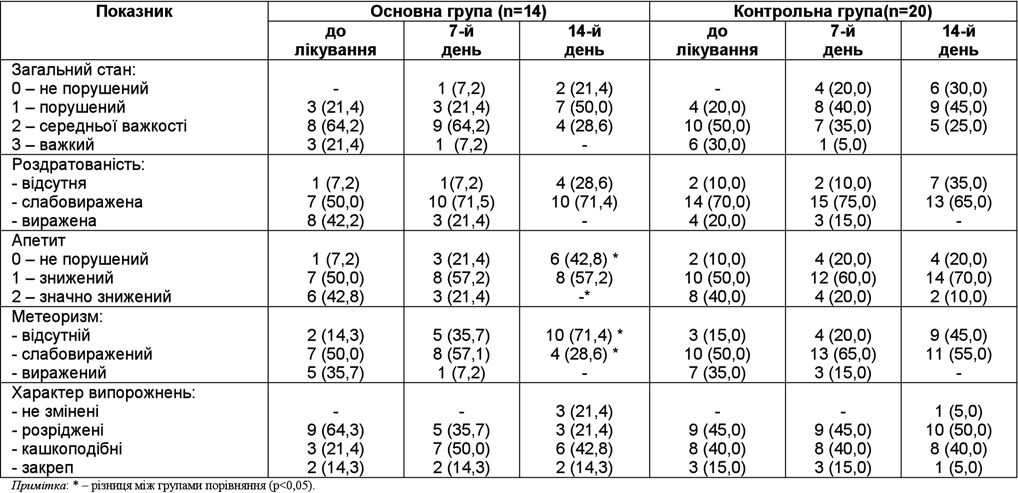
Dynamics clinical symptoms in surveyed children in process treatment, abs/%

Vegetation of enteropathogenic serotypes of E. is characteristic. coli, salmonella, shigella and other pathogens of acute intestinal infections. Clostridium reproduction is possible.

Analysis of microbiological studies of feces revealed changes in patients of both groups (Table 1).

The characteristics of the microbial landscape in children with liver damage were manifested by a deficiency of bifidobacteria (<109 CFU/g) and lactobacteria (<107 CFU/g), an increase in the number and change in the species ratio of opportunistic bacteria. Thus, among children, a probable suppression of bifidobacteria (57.1% of children in the main group and 70.0% of children in the control group), lactobacteria (64.2% and 55.0%, respectively), Escherichia coli (57.1% and 30.0%, respectively); its enzymatic properties were changed in 42.8% and 50.0%, respectively. The quantitative decrease was accompanied by an increase in the specific weight of opportunistic flora: Klebsiella pn, S. aureus, enterococci. In children of both groups (21.4% of children of the main group and 15.0% of the control group), an association of several types of opportunistic microorganisms in various combinations was established. In children of both groups, comparable changes in the composition of the intestinal microflora were found, the degree of dysbacteriosis did not have significant differences.

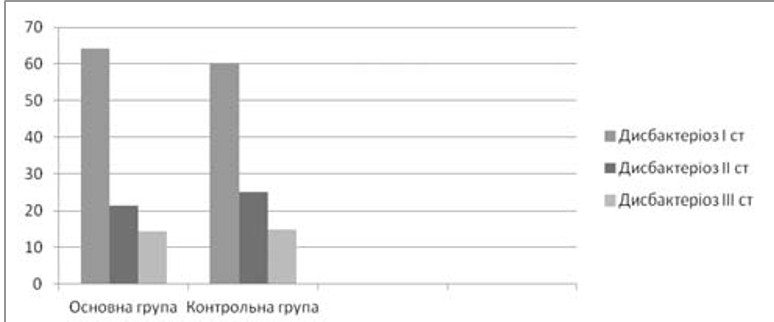
Rice. 1. Distribution of sick children by degree of dysbacteriosis at the beginning of observation, %

Rice. 2. Distribution of sick children by degree of dysbacteriosis on the 14th day of observation, %

Thus, in the main group, dysbacteriosis of I and II degrees was recorded in 9 (64.2%) and 3 (21.4%) children, dysbiosis of III degree was observed in 2 (14.3%) cases. In the control group, dysbacteriosis of I degree was detected in 60.0%, II — in 25.0%, III — in 15.0% cases (Fig. 1).

Analysis of the dynamics of clinical symptoms showed the effectiveness of treatment in both groups. During the analysis of the duration of objective manifestations (intoxication and dyspeptic), changes were found between the comparison groups in terms of appetite and bloating. The dynamics of clinical symptoms of the course of the diseases are presented in Table 2.

The rate of normalization of dyspeptic manifestations in the form of flatulence and appetite disturbance on the 7th day of treatment was the same in both groups of patients, and on the 14th day a significant increase was noted in children in the main group (42.8% of children in the main group versus 20.0% of children in the control group); the disappearance of flatulence occurred in 71.4% of patients in the main group and only in 45.0% of children in the control group.

There was also an improvement in the characteristics of bowel movements in the main group: on the 14th day, improvement was noted in 42.81% of children in the main group, and in the control group - only in 15.01% of children. It should be noted that in 2 children who had bowel movements with a tendency to constipation, the nature of the stool did not change against the background of the use of Atoxil.

Children in the main group who took Atoxil for 2 weeks, as evidenced by the conducted clinical analysis, had significant changes in clinical signs of dysbacteriosis (bloating, nature of stools). Microbiological control of stools showed that in 42.81% of the examined patients after treatment with Atoxil, the intestinal microbiocenosis normalized, while in the control group - only in 15.01% of cases (p<0.05) (Fig. 2).

As can be seen from the data presented, among children who took Atoxil, 42.8% had complete normalization of microflora, and among children in whom dysbiotic changes remained, their severity significantly decreased: most of them (75%) had dysbiotic changes of the 1st degree, and no patients with dysbacteriosis of the 3rd degree were noted.

In the group of children who did not use the sorbent, the control indicators were significantly lower: normalization of microflora was observed only in 15.0%, and among children with dysbiotic changes, dysbacteriosis of the I degree was observed in 52.9%, in 41.2% — in the II degree, and in 1 child dysbiotic changes of the III degree remained.

Quantitative assessment of microbial flora in children of both groups allowed to establish a significant decrease in intestinal contamination with opportunistic flora: in the main group its increase was registered only in 3 children. In the comparison group no significant changes were detected.

Conclusions

Comparative analysis of the effectiveness of treatment of children with liver damage indicates a significantly faster dynamics of elimination of intestinal dysbiosis when using Atoxil. The results of the studies indicate the feasibility of its use in the complex treatment of sick children with liver damage of any etiology associated with intestinal dysbiosis. The drug is well tolerated, no cases of intolerance or side effects were noted during use.

LITERATURE

  1. Denisova M.F. The use of probiotic lactiv-ratiofarm in the complex treatment of chronic viral hepatitis in children / M.F. Denisova, N.N. Muzyka, T.A. Lysyanaya // Sovr. pediatrics — No. 6 (28).
  2. Kuvaeva I. B. Microecological and immune disorders in children / I. B. Kuvaeva, K. S. Ladodo. — M.,
  3. Kucherenko N. P. Microbiocenosis of the large intestine in patients with viral hepatitis / N. P. Kucherenko, A. I. Bobrovytska, I. O. Vereshchagin // Materials of the scientific-practical conference and plenum of the Association of Infectious Diseases of Ukraine. — Ternopil, 2004. — P. 115—116
  4. Enterosorption: the state of the question and prospects for the future / Nikolaev V. G., Mikhalovsky S. V., Nikolaeva V. V. [and others] // Visn. problems of biology and medicine. — Vol. 4. — P. 7-17.

Use of the enterosorbent ATOXIL in the treatment of patients with acute hepatitis A and B

UDC: 616.36 – 002.14-022:578.891-085.03

APPLICATION OF ENTEROSORBENT "ATOXYL" IN THE TREATMENT OF PATIENTS WITH ACUTE HEPATITIS A AND B

O.A. HOLUBOVSKAYA, N. C. KORCHINSKY

National Medical University named after A.A. Bogomolets, Department of Infectious Diseases

Key words:

hepatitis A, B, treatment, enterosorbents, enterosorption, Atoxyl

The relevance of improving the treatment of patients with hepatitis A and B is due to the preservation of a sufficiently wide spread of these infections both in the world and in Ukraine, the absence of etiotropic treatment for hepatitis A (HA) and agreed recommendations for the use of antiviral drugs in acute hepatitis. Despite the decrease in morbidity, there is a large economic loss from hepatitis A, which in 2006 amounted to more than 1 billion rubles in the Russian Federation, and in 2009 - about 834 million [10, 15]. Previously, GA was observed mainly in children and belonged to the group of so-called "childhood" diseases. In children, mainly mild forms of the disease are observed, without jaundice in 75-80% of all cases of the disease. But recently, in Ukraine, there has been a significant increase in the incidence of GA among the adult population, with a predominance of more severe forms accompanied by jaundice, a significant duration of the disease, and a generally more severe course. The incidence of GA in Ukraine in recent years was 24.8–26.3 cases per 100,000 population, which is significantly higher than in most European countries [9,10].

The problem of diagnosis and treatment of GV is even more important. Thus, about a third of the world's population has serological signs of past or current infection caused by HBV. According to WHO experts, 300 to 400 million people are infected with this pathogen. According to various reports, 15 to 40% of them have chronic hepatitis B (HCV) progressing to liver cirrhosis (CP) and hepatocellular carcinoma (HCC), which at any stage can be complicated by liver failure and lead to fatal consequences [7, 16, 19, 21]. Despite the availability, effectiveness and safety of specific vaccines, HBV remains the 1st place in the world among all causes of death of patients with liver pathology. From liver diseases caused by HBV, 1 to 2 million patients die annually in the world, including 0.5 to 1 million patients from HCC alone (5th place among lethality from malignant tumors). Every year, the terminal stages of HBV infection are the cause of 5 - 10% of all liver transplants in the world. Among all causes of death, the consequences of CHB occupy the 10th place in the world [16, 18, 19, 21]. Special long-term studies show that 5 years after the diagnosis of CHB, the total frequency of CP development ranges from 8 to 20%, and the 5-year cumulative frequency of decompensation of liver functions is about 20% with a total 5-year survival probability of 80 – 83% of patients with compensated CP. The annual frequency of occurrence of HCC in patients with CHB and CP is 2-5% [18, 20, 21].

At least 1 million people are recognized as carriers of HBV in Ukraine. Every year, 188,000 patients with CHD and CP are officially registered in our country, of which 6,000 die annually. Markers of HBV infection: HBsAg and anti HBcor in Ukraine are found in 1.4% and 13.9%, respectively, in blood donors, in medical workers – in 5.4% and 26.8%, in people who use intravenous drugs – in 15.05% and 50.55% [7, 9].

Patients with mild and moderate forms of acute hepatitis A and B do not need not only etiotropic, but also drug therapy in general [17, 18]. Nevertheless, the search for drugs that can have a positive effect on the course of the disease, reduce the duration and severity of intoxication and jaundice syndromes, while not causing serious side effects and not worsening the outcome of the disease [7, 8, 11], continues.

First of all, enterosorbents belong to similar drugs.

Enterosorption as one of the methods of detoxification therapy has become quite widespread in clinical practice. This method is characterized by its simplicity, safety and economy, therefore it is successfully used in the treatment of various liver diseases, including VL [7, 8, 11, 12, 13].

Important mechanisms of action of enterosorbents include:

  • binding of toxic substances entering the gastrointestinal tract from the outside;
  • binding of toxins that diffuse into the intestinal lumen from the blood;
  • binding of toxic substances released with digestive juices;
  • absorption of toxic metabolites formed in the gastrointestinal tract;
  • sorption modification of the diet due to the selective absorption of some amino acids and free bile acids;
  • fixation and transfer of physiologically active substances (enzymes, bile acids, etc.);
  • changing the volume of the part of food that is not digested;
  • catalytic action;
  • enveloping and cytoprotective action;
  • structuring of intestinal contents;
  • formation of aggregates and flocculates containing microbes and viruses;
  • direct bactericidal action;
  • complex formation and chelation;
  • modification of the chemical composition of intestinal contents, which becomes unfavorable for the reproduction of pathogenic microflora [8, 12, 14].

As a result of the implementation of the specified mechanisms, enterosorbents reduce the toxic load on the liver and kidneys. Enterosorbents, not being absorbed into the blood, nevertheless have a significant systemic effect on the body, eliminating disorders of lipid metabolism, suppressing the systemic inflammatory reaction, contributing to the compensation of individual parts of the immune system and improving the function of internal organs, which is very important in patients with acute viral hepatitis [8, 11, 12, 14].

As a result of a violation of metabolic processes in patients with acute hypertension, the syndrome of metabolic intoxication develops, caused by the accumulation in the blood of molecules of medium weight, which have a toxic effect on the cells of the liver, kidneys, and neurons of the brain. With a severe course of VH, ammonia and aromatic compounds accumulate in the intestines, and then in the blood, causing the development of toxic encephalopathy and hepatic coma [7, 12].

In Ukraine today, there is a fairly large selection of enterosorbents, which have different chemical structures, physico-chemical and organoleptic properties, and differ in various clinical effects. The area of the active surface is the basis for determining the effectiveness of a particular sorbent. It is inversely proportional to the size of the particles - the smaller the size of the particles, the greater the total area of their active surface. Therefore, its capacity depends on the dosage of this or that enterosorbent, which provides the optimal therapeutic effect [8, 12].

Table 1

Comparison of enterosorbents, usually used in practical health care of Ukraine (V.N. Nagornaya, 2005)
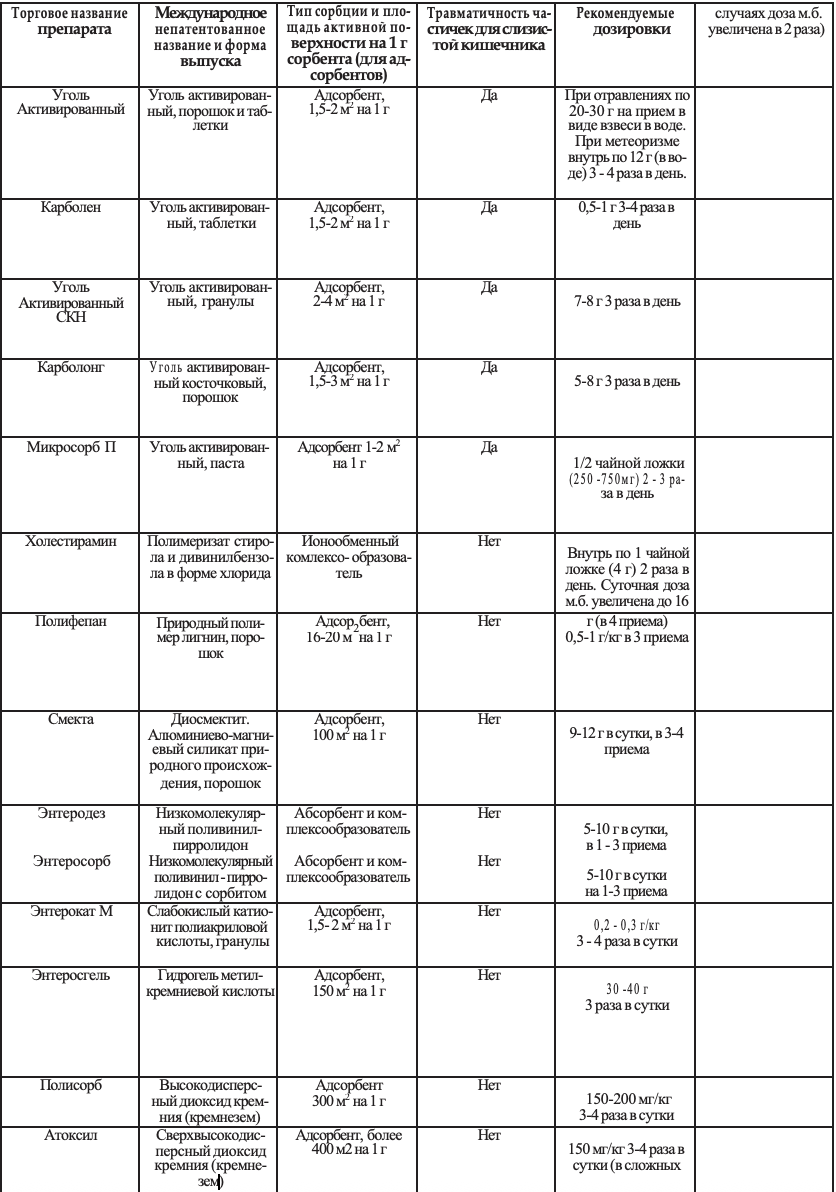
Sorbents based on activated carbon have a small area of active absorption surface per 1 gram of the active substance. Therefore, with significant endogenous intoxication, it is necessary to take 20-30 grams of them per day (80-120 tablets of activated carbon), which causes a much lower attractiveness of carbon sorbents compared to modern sorbents, especially those based on silicon dioxide [8].

A comparison of enterosorbents commonly used in practical healthcare in Ukraine is given in Table 1. Due to the high sorption activity of silicon dioxide preparations (Table 1), endogenous and exogenous toxic substances are more intensively absorbed and removed from the gastrointestinal tract, in particular, the products of the life of pathogenic microorganisms. The drugs are not absorbed from the alimentary canal, while providing powerful systemic detoxification.

It should also be noted the selectivity of adsorption of preparations based on silicon dioxide, which determines their advantages compared to other preparations [8, 12, 13]. The corresponding materials are presented in Table 2. Thanks to the properties listed above, preparations based on silicon dioxide had a positive effect in:

  • diarrhea of infectious and non-infectious origin;
  • colitis;
  • acute and chronic viral hepatitis;
  • botulism;
  • intestinal toxicosis;
  • chronic obstructive lung diseases;
  • bronchial asthma;
  • chronic renal failure;
  • eczema, psoriasis;
  • atopic dermatitis;
  • late gestosis of pregnant women;
  • in surgical practice;
  • in toxicology;
  • in oncology [1, 3, 4, 5, 6, 7, 8, 11, 12, 13, 14].

Previously conducted clinical studies [7,8,11] are mainly concerned with hydrogel of methylsilicic acid, while there are few studies of the effectiveness of other preparations based on silicon dioxide. At the same time, the most effective in the fight against intoxication in patients with various liver pathologies are sorbents prepared precisely on the basis of silicon dioxide, in particular Atoxyl, which is just beginning to be introduced into hepatological and infectious practice [4,5,7,11,12].

The preparation "ATOXIL" (silicon dioxide), which is produced by "Orisil Pharm" LLC, is silicon dioxide, is a light amorphous powder of white color, tasteless and odorless, in bottles with a capacity of 250 ml. 1 bottle contains 10.0 gr. highly dispersed silicon dioxide powder. The area of its active sorption equals more than 400 m² per 1 g of dry substance, which is one of the highest indicators among similar preparations (Table 1). ATOXIL is an enterosorbent with pronounced sorption properties, exhibits detoxification, and when applied topically it has antimicrobial and wound-healing effects [3,5,11,14]. The drug adsorbs from the digestive tract and removes from the body endogenous and exogenous toxic substances of various origins, has high adsorption activity against microorganisms and proteins, including microbial toxins. At the same time, the desorption of bound proteins and toxins worsens both through the wound and through the intestinal walls. ATOXIL promotes transport from the internal environment of the body (blood, lymph) to the digestive tract due to concentration and somatic gradients of various toxic products, including medium molecules, oligopeptides, amines and other substances with subsequent removal from the body. At the same time, it is practically not absorbed from the intestines and wounds [3,8,13,14]. Atoxyl is contraindicated in patients with exacerbation of peptic ulcer disease of the duodenum and stomach, erosions and ulcers of the mucous membrane of the large and small intestine, with intestinal obstruction, with increased sensitivity to silicon dioxide. Atoxyl is not prescribed to children under one year of age and pregnant women [5,14].

As shown by clinical and laboratory studies, the drug ATOXIL is effective in the complex treatment of burns and the prevention of infectious complications in burned patients. It was satisfactorily tolerated by patients when used orally and topically, without causing side effects. Complex detoxification therapy using the drug ATOXIL led to a decrease in the toxic properties of blood serum, provided a significant decrease in the toxic effect on neutrophil granulocytes of peripheral blood, as indicated by the integral indices of intoxication [14]. Experimental confirmation of the positive effect of Atoxyl on periapical tissues in the treatment of periodontitis was obtained [3]. The combination of Atoxyl and quercetin improved the results of the treatment of patients with peptic ulcer of the duodenum against the background of hypertension, eliminating at the same time violations of metabolic indicators [1,2]. Atoxyl increased the effectiveness of complex therapy of ascariasis in children [4]. The effectiveness and safety of Atoxyl treatment of acute intestinal infections in children has been confirmed [5]. At the same time, we did not find information about the use of this drug in patients with acute or chronic viral hepatitis. This determined our choice in the study of the clinical effectiveness of this enterosorbent in patients with acute VH.

According to the set tasks, in the clinic of infectious diseases of NMU during 2010-2012. examined and observed 71 patients with HA and acute HF with a mild course of the disease aged from 18 to 62 years (average age of patients – 34.6±8.2 years). Patients aged 18 to 35 years predominated (52 people, 73%). There were 32 men, 39 women. A mild form of jaundice was present in 19 (26.8%) patients, and a moderate form in 52 (73.2%) patients. To study the therapeutic effect of the enterosorbent Atoxyl, all patients were divided into two groups comparable in age, gender, and nature of concomitant diseases by the method of randomization. Since the effect of the drug on the duration of HBs-antigenemia and viremia was not studied, it was considered possible to combine in one group patients with HA and acute HB, the distribution of which in the groups also did not differ: 7 patients with HA in each group (Fig. 1).

Patients of the 1st group (36 people) received Atoxyl treatment. Patients of the 2nd group (35 people) received only basic therapy. The general characteristics of groups of patients are presented in Fig. 1.

As can be seen from the data shown in Fig. 1, according to the main parameters - gender, age, severity of hypertension and its etiology, the groups of patients were comparable. The most common concomitant disease was chronic pancreatitis in 43 (60.6%), exacerbation of chronic gastroduodenitis in 21 (29.6%), cholecystitis in 19 (26.8%), fatty liver disease in the form of nonalcoholic and alcoholic steatohepatitis in 16 (22.5%), chronic bronchitis in 9 (14.6%). On Fig. 2 presents the characteristics of groups of patients depending on the nature of the accompanying pathology, which most often occurred against the background of VH.

As can be seen from the materials shown in Fig. 2, there were also no significant differences in the nature of accompanying pathology between the 1st and 2nd groups.

Patients with severe somatic concomitant pathology (decompensated diabetes mellitus, severe atherosclerosis, severe arterial hypertension, etc.) were not included in the study, as they required constant intake of a significant amount of medication. HIV and HCV infection were ruled out in all patients.

In all patients, indicators of general blood analysis, the content of glucose, total protein, total bilirubin and its fractions, urea, creatinine, activity of ALT and AST in the blood were studied dynamically with the help of generally accepted methods using standard reagents and the Humalaser biochemical analyzer. An ultrasound examination of the liver, gallbladder, pancreas, spleen, and kidneys was performed using a gray scale on an expert-class Voluson 730 SSD device. With the help of immunoenzymatic analysis (ELISA), the diagnosis of HA was specifically confirmed in 14 patients by the presence of AntiHAV Ig M in the blood, acute HBV - in 57 patients by the presence of HBsAg and anti HBcor Ig M in the blood. In doubtful cases (differentiation from chronic HBV), anti HBcor IgG, HBeAg, anti HBe Ig G were additionally quantified (ELISA).

36 people of the first group on the background of generally recognized basic therapy (bed rest, table No. 5a, abundant drinking) from the moment of hospitalization in the clinic (on average, from 4.3±2.1 days of the jaundice period) received Atoxyl at the rate of 0.2 g per kg of body weight per day (on average 12 g) orally in 3 doses 2–1.5 hours before meals for 2 weeks. 35 people of the second group received only basic therapy during the same period of the disease. None of the patients had any serious side effects of Atoxyl that would require discontinuation of the drug. In one patient with concomitant exacerbation of chronic gastroduodenitis, a short-term increase in nausea was noted, in 3 patients - increased constipation, which required the prescription of Lactulose.

Table 2

Selectivity of adsorption of preparations based on silicon dioxide (according to A.A. Chuyko, 2003) 
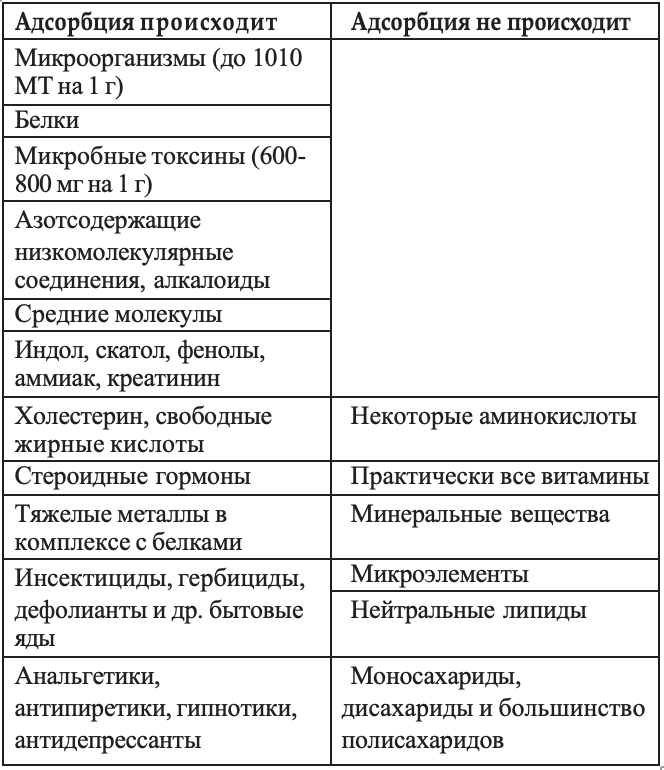
Figure 1. General characteristics of groups of patients
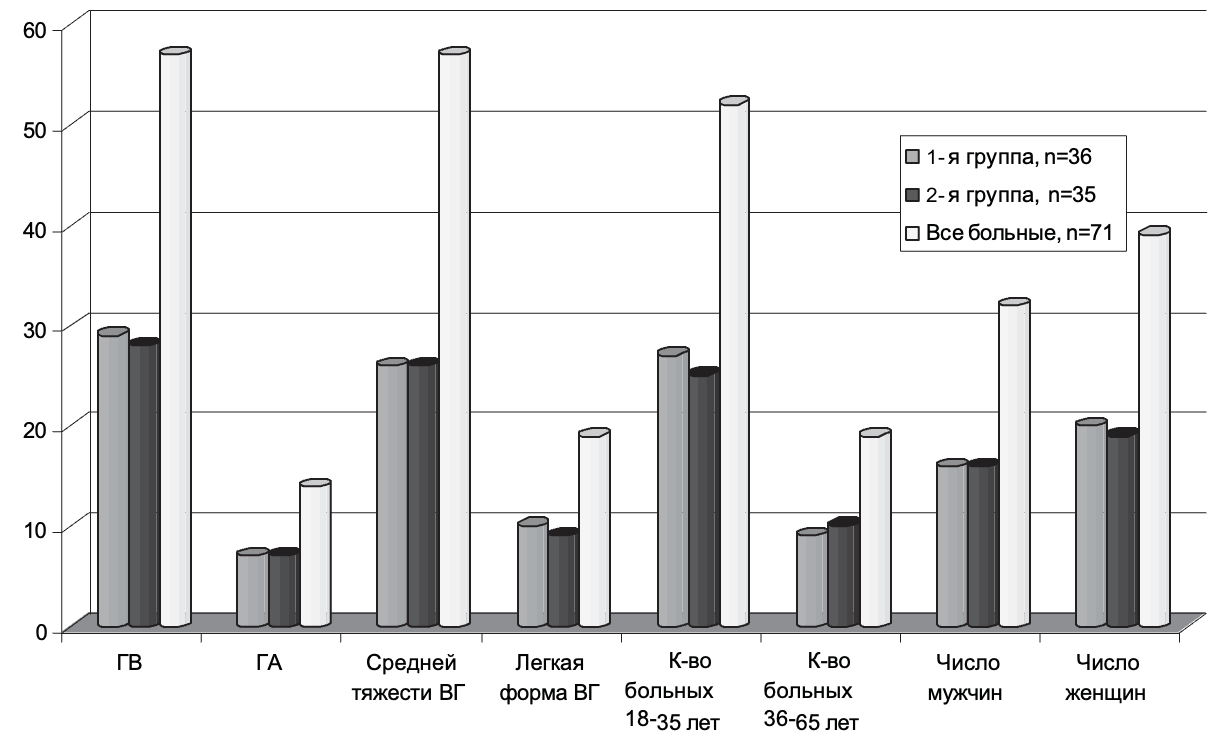
Table 3

Comparison duration clinical symptoms jaundiced period sharp VG in patients receiving Atoxyl and treated without it

Fig. 2. Characteristics of groups of patients depending on accompanying pathology.
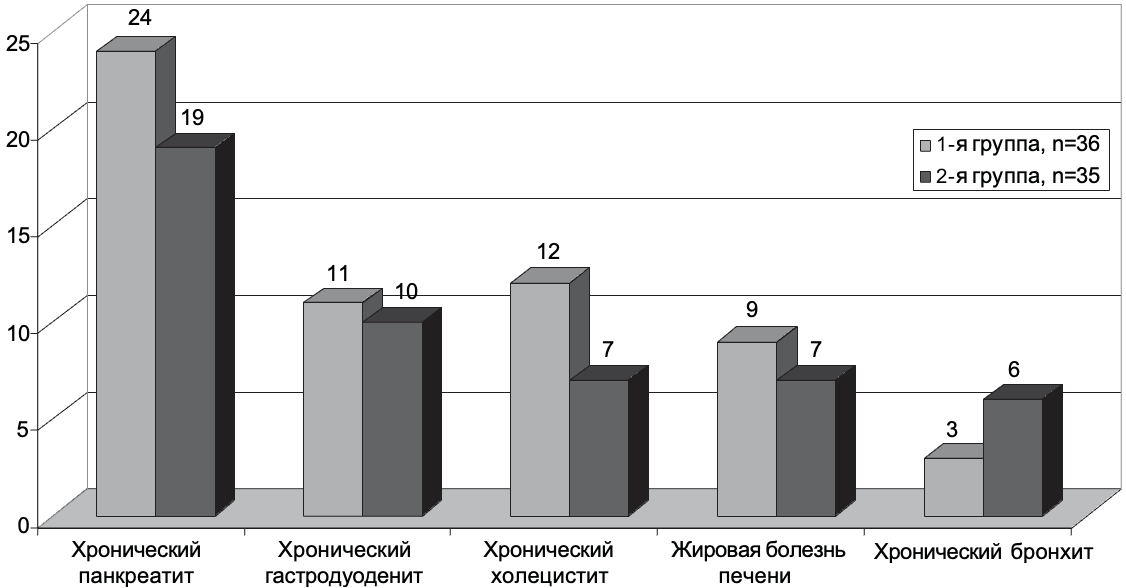
 

Table 4

Comparison of the average values of basic biochemical parameters of blood in patients of both groups before treatment with Atoxyl
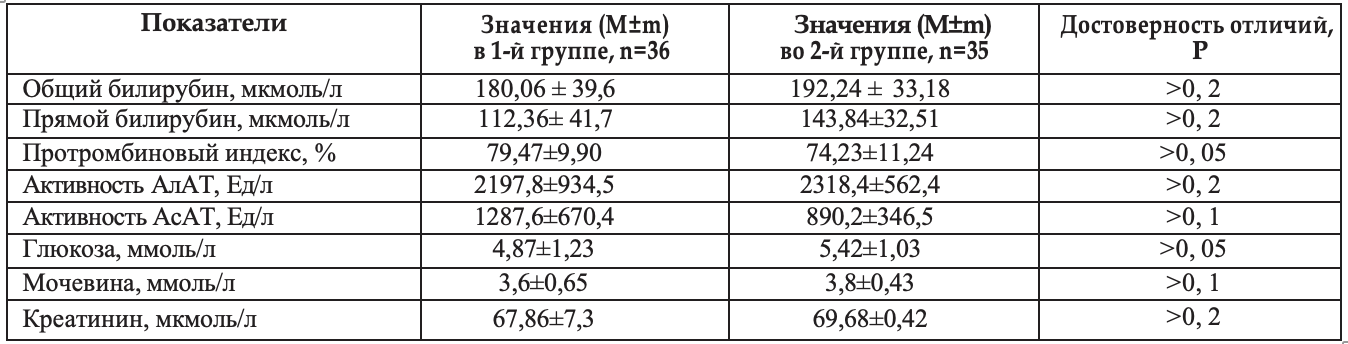
Fig. 3. Comparison of the average indicators of the duration of clinical symptoms during the treatment of patients with Atoxyl (n=36) and without it (n=35)
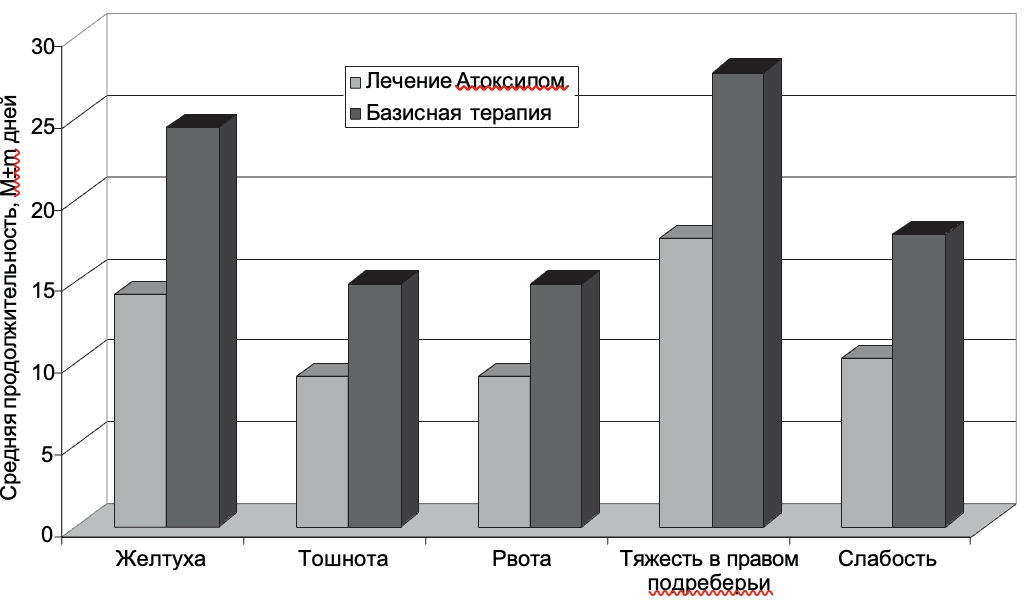
Table 5

Comparison of the average values of basic biochemical parameters of blood in patients of both groups after treatment with Atoxyl
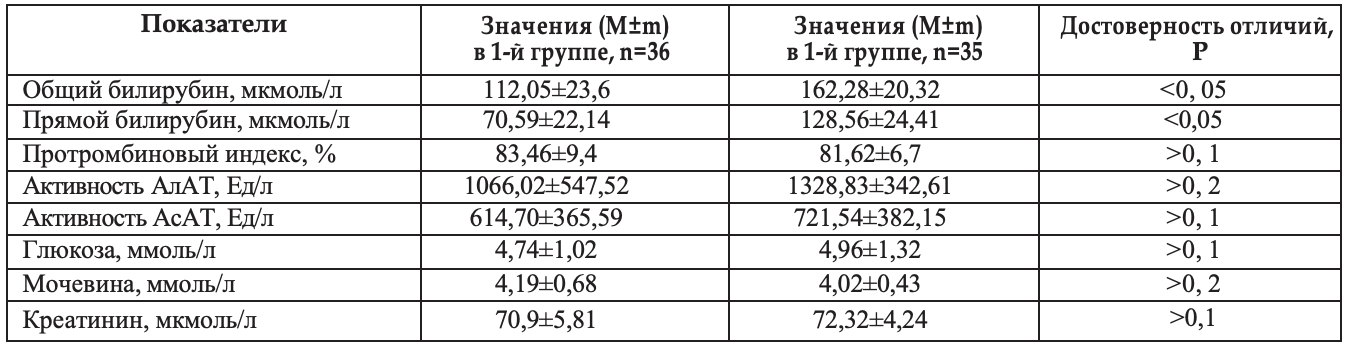
The duration of symptoms of the disease was analyzed in both groups. Corresponding data are presented in Table 3. As evidenced by the data presented in Table 3, treatment with Atoxyl significantly (Р<0.05) reduced the duration of jaundice, heaviness in the right hypochondrium, nausea, vomiting, and general weakness, thereby confirming its pronounced detoxification effect. Corresponding data are shown in Fig. 3.

As evidenced by the data shown in Fig. 3, treatment with Atoxyl causes significantly (Р<0.05) faster reversal of symptoms of the disease, such as jaundice, weakness, heaviness in the right hypochondrium, nausea, vomiting compared to the average duration of similar symptoms in patients of the comparison group.

The main analyzed biochemical blood parameters before the onset of the disease in both groups were not significantly different (Table 4), so the analysis of parameters was carried out by us after 2 weeks of treatment with Atoxyl.

As evidenced by the materials presented in Table 4, there were no significant differences in any of the compared average indicators of biochemical blood parameters. Table 5 presents the results of a comparison of the average values of the main biochemical parameters of the blood after treatment with Atoxyl.

As evidenced by the materials presented in Table 5, after treatment with Atoxyl, the average indicators of total bilirubin in the blood and its direct fraction decreased significantly more compared to those in patients who did not receive enterosorbents (Р<0.05 and <0.05, respectively). There were no significant differences in the average activity indicators of ALT, AST, PTI, blood glucose, creatinine, and blood urea in patients treated with Atoxyl compared to those in the comparison group.

Thus, treatment with Atoxyl at a dose of 12 g/day orally for 2 weeks in patients with non-severe acute hepatitis A and B reliably reduces the duration of dyspeptic and intoxication syndromes, the jaundice period, reduces the level of total and direct bilirubin compared to the same indicators in patients who received only basic therapy during the same period of the disease. The drug is well tolerated, does not cause negative emotions when taking it, is relatively inexpensive, convenient to use, does not cause serious side effects, which makes it possible to recommend it for wider use in the treatment of acute viral hepatitis.

LIST USED LITERATURE

  1. Belokobylskaya D.V. Changes in the content of leukotrienes and activity of lipoperoxidation under the influence of the combination of atoxyl and quercetin in the dynamics of treatment of patients with peptic ulcer of the duodenum in combination with hypertension / D.V. Belokobylskaya// Ukrainian medical almanac. – Volume 13, No. 4. - pp. 30-32.
  2. Burmak Yu.G. Changes in some metabolic parameters in the dynamics of treatment of patients with peptic ulcer of the duodenum in combination with hypertension / Yu.G. Burmak, D.V. Belokobylskaya //Tavricheskyi mediko-biologicheskiy vestnik. – 2010. – volume 13, number 1 (49). - P. 23 - 25.
  3. Dorofeeva N.G. Experimental confirmation of the influence of sorbents on periapical tissues in the treatment of periodontitis [Text] / N.G. Dorofeeva, T.A. Chalaya, M. Erokhina, A. Obydin // Ukrainian medical almanac. – 2008. – Volume 11, No. 5. - P. 61-62.
  4. Korneva V.V. Evaluation of the effectiveness of the enterosorbent Atoxyl in the complex treatment of ascariasis in children / V.V. Korneva, L.V. Kurylo, V.G. Kozachuk, E.A. Boyarskaya, M.A. Kapychyna //Sovremennaya Pediatriya. - #3(37). - P.66-68.
  5. Kramarev S.O. Study of the effectiveness and safety of the enterosorbent Atoxil in acute intestinal infections in children / S.O. Kramarev, O.A. Dmitrieva // Modern Pediatrics. – – No. 3. – P. 93-97.
  6. Kuznetsov S.V. Efficacy of enterosorbent White coal in complex therapy of helminth infections in children / S.V. Kuznetsov // Health of the child. – – №4. - p. 30-33.
  7. Treatment of patients with cirrhosis of the liver of predominantly viral etiology, complicated by ascites / Zh.I. Vozianova, O.A. Golubovska, M.Ch. Korchinsky //The Art of Treatment, 2005. – No. 5(21). – P. 22 – 27.
  8. Medicinal chemistry and clinical application of silicon dioxide/ Ed. Acad. National Academy of Sciences of Ukraine A.A. Chuyko. - Kyiv: Scientific Thought. – – 416 p.
  9. Ministry of Health of Ukraine //ORDER No. 296 dated 05/19/2011 “On Amendments to the Order of the Ministry of Health of Ukraine dated 02/03/2006 No. 48”
  10. Mykhailov M.I., Shahgildyan I.V., Onishchenko H.G. Enteral viral hepatitis (etiology, epidemiology, diagnostics, prevention) - Moscow: VUNMC, 2007 - 352 p.
  11. Moroz L.V., Paliy I.G. Use of the drug Enterosgel in the complex therapy of patients with acute viral hepatitis with concomitant intestinal dysbacteriosis / L.V. Moroz, I.G. Paliy // Medical and biological aspects of the use of the enterosorbent “Enterosgel” for the treatment of various diseases: Collection of selected scientific articles. –Kyiv: “Bogdana”, 2010. -P.83-88.
  12. Nagornaya N.V. The use of enterosorption in the treatment of atopic dermatitis / N.V. Nagornaya, E.V. Bordyugova, A.V. Dubovaya //Sovremennaya pediatriya. – 2005. – No. 4(9). - P.67 - 70.
  13. Paley I.H. A modern view of the problem of enterosorption: the choice of the optimal drug / I.G. Paly, I.G. Reznychenko // News of medicine and pharmacy. – No. 11 (217). - P. 15-17.
  14. The use of the drug "Atoxyl" in the complex treatment of burns / E.Ya. Fistal, I.I. Speransky, V.V. Arefiev, E.G. Tymoshenko, M.V. Lobacheva, E.A. Pisarenko // Combustiology. – No. 27.- P. 24-28.
  15. Shahgildyan I.V. Evaluation of the results of hepatitis A vaccine prevention in certain regions of the Russian Federation. Is routine vaccination of children against hepatitis A necessary today [Text]/ I.V. Shahgildyan, M.I. Mykhaylov, O.N. Ershova, P.A. Khukhlovych, V.A. Khasanova, I.N. Lytkina, N.I. Shulakova, V.V. Romanenko, A.I. Yurovskikh, A.A. Yasinsky //Hepatology. – – No. 1. – P.34-40.
  16. Carey D. The prevalence and natural history of hepatitis B in the 21st century / Cleve. Clin Med., 2009. - N 76 (Suppl. 3). – P. 2 – 5.
  17. Dienstag JL Drug Therapy: Hepatitis B Virus //N. English J. Med., 2008. - Vol 359, N. 14. - R. 1486-1500.
  18. European Association for the Study of the Liver (EASL), Clinical Practice Guidelines: Management of chronic hepatitis B. //J. Hepatol., 2009.– No. 50(2). - R. 227-242.
  19. Elgouhari M., Abu-Rajab Tamimi TI, Carey WD Hepatitis B virus infection: understanding its epidemiology, course, and diagnosis/ Cleve. Clin. J. Med., 2008. - N 75 (12). - P. 881 - 889.
  20. Lok S., McMahon BJ Chronic hepatitis B: update 2009 / Hepatology, 2009. – N 50 (3). – P. 661-662.
  21. Mitchell AE, Colvin HM, Beasley RP Institute of Medicine Recommendations for the Prevention and Control of Hepatitis B and C / Hepatology, – Vol.51 (N 3). - P. 729-733.

UDC: 616.36-002-022.7-07:578.27:578.891

APPLICATION ENTEROSORBENT “ATOXYL” IN THE TREATMENT OF PATIENTS ON SEVERE HEPATITIS AND AND IN

IN articles is being held analysis own effectiveness studies therapies 37 sick on hepatitis AND and IN enterosorbent Atoxyl, who were treated in the clinic of infectious diseases of the National Medical University in 2011 - 2012. The results of treatment were compared with the corresponding indicators in 36 patients of the comparison group, which had the same composition in terms of age, gender, severity of the course, and the nature of the concomitant pathology. The results obtained indicate the feasibility of treating patients with GA and acute GV with a non-severe course of the disease with Atoxyl, which allows to significantly reduce the duration of the intoxication period, jaundice, and reduce the level of total and direct bilirubin in the blood compared to the corresponding indicators in patients who did not receive enterosorbents. The drug was well tolerated by patients and did not cause serious side effects.

O.A. Golubovska, M.Ch. Korchinsky

UDC: 616.36-002-022.7-07:578.27:578.891

ENTEROSORBENT "ATOKSYL" USE IN THE TREATMENT OF PATIENTS WITH ACUTE HEPATITIS A AND B

In the article the analysis of their research the effectiveness of therapy 37 patients with hepatitis A and B enterosorbent Atoksyl who were treated at the clinic of infectious diseases NMU in 2011 - 2012. Results of treatment compared with the cor-responding parameters in 36 patients with comparison group who had the same composition by age, sex, severity, nature of comorbidity. The results demonstrate the feasibility of a treatment Atoksyl patients with hepatitis A and acute hepatitis B with no serious disease, which allows to significantly reduce the intoxication period, jaundice, reduced levels of total and direct bilirubin levels compared with the corresponding rates in patients not receiving enterosorbents. The drug was well tolerated by patients and did not cause serious side effects.

Golubovskaya, M. Korchynskyi

Experience with detoxification therapy in patients with various forms of acne

UDC 616.523-002.25-085.26

T.V. Protsenko, O.A. Protsenko,

Donetsk National Medical University named after M. Gorky

Experience of detoxification therapy in patients with various forms of acne

Resume

The purpose of the work is – will study the effectiveness of detoxification in the complex treatment of patients with rosacea, early and late acne.

Material and methods: clinical features and treatment were studied in 76 patients (53 women and 23 men aged 14 to 48 years) with various forms of acne, incl. with rosacea (25 people), early acne (26 people) and late acne (25 people). The detoxification effect was carried out with the help of the combined drug Eliminal gel. The effectiveness of the therapy was assessed by the immediate and distant results of the treatment of patients in two comparison groups: the main group (45 patients), whose complex therapy included Eliminal gel, and the comparison group (31 patients), treated traditionally.

Results. Mild acne was in 34.2%, medium-severe in 44.7%, severe in 21.1% patients, while moderate and severe acne was in 57.7% patients with early acne, in 76% patients with late acne and in 64% patients with rosacea. Demodex was detected in 67,1% patients, including in 84% patients with rosacea, 30.8% patients with early acne and in 88% patients with late acne. Clinical and instrumental examination revealed that 22.4% patients with acne suffered from autoimmune thyroiditis; 21,1% patients with chronic gastritis associated with H. pylori; 66% women with various forms of acne had pelvic organ pathology. Complex therapy for acne with the use of Eliminal gel was well tolerated by everyone and led to a decrease in the general acne load index for early acne - from 64.6±11.4 to 12.4±1.2; with late acne - from 44.2±4.8 to 10.2±1.2; with rosacea - from 38.8±4.1 to 8.1±1.1; achieved stable remission during the year of observation in 57.8% patients of the main group, compared to 22.6% patients treated traditionally.

Conclusions. The inclusion of Eliminal gel in the complex therapy of patients with various forms of acne significantly increases its effectiveness, improves the condition of the skin and ensures long-term and stable clinical remission in 57,8% patients.

Keywords: rosacea, early acne, late acne, treatment, Eliminal gel

Acne and acneiform eruptions represent not only a medical but also a social problem due to its aesthetic component and the defeat of persons of active social and reproductive age. Early acne, starting at puberty, can acquire a chronic relapsing course, with an increase in the intensity of symptoms with inadequate tactics [1, 6, 8]. Late acne and rosacea, debuting in adulthood, are characterized by a longer course and comorbidity with somatic pathology, resistance to therapy and require large financial costs for treatment and rehabilitation [7, 10].

Despite the rather well-studied mechanisms of the development of various forms of acne and the developed unified protocols for the treatment of patients, the issues of increasing the effectiveness of dermatosis therapy, achieving both persistent and long-term remission, and aesthetic results do not lose their relevance [9, 13].

Food factors (milk, high-glycemic products, extractive components, insufficient consumption of fiber, etc.) play a special role in the exacerbation of all forms of acne, which affect the metabolism of each sebum and the pH of the hydrolipid mantle of the skin [1, 2, 13]. It has been proven that disturbances of intestinal microbiocenosis due to irrational nutrition or somatic pathology, especially hormonal dysfunction, and the resulting changes in the ecoscape of the skin with the activation of conditionally pathogenic flora (demodex, etc.) are important factors in the torpidity of the course of acne and the insufficient effectiveness of treatment and aesthetic programs [2, 4]. In the skin, as in a mirror, the processes of impaired functioning of the digestive system are reflected, the clinical manifestations of which are disorders of defecation and constipation, dysbiosis and dysbacteriosis of the intestines, etc. [2, 5, 7, 10]. Taking into account the above, it seems reasonable to include in the treatment program of patients with acne drugs that, along with the effects of detoxification, have the ability to normalize and restore intestinal microflora.

One of the successful preparations of such a choice is the combined medical preparation Eliminal gel, which contains a highly dispersed silicon sorbent (silicon dioxide) and the prebiotic lactulose, which provides sorption and prebiotic effects [2]. Despite the validity of such an approach, to date, only single works have been devoted to assessing the influence of detoxification therapy on the course of various forms of acne.

In connection with this, the goal of the work was to study the effectiveness of Eliminal gel in the complex treatment of patients with various forms of acne.

Materials and research methods

76 patients aged from 14 to 48 were under observation, incl. 23 men and 53 women suffering from rosacea (25 people), early acne (26 people) and late acne (25 people) (Table 1).

Table 1

Distribution of patients by gender and nosological forms of acne

The dermatological examination included determining the condition of the skin of the face, counting the number of inflammatory (papules, pustules) and non-inflammatory elements of the rash (open and closed comedones), followed by the calculation of the index of total acne burden (OUN), determining the severity of the dermatosis (mild, medium-severe, severe), depending on the morphology of the rash, its severity and the area of the lesion.

All patients were examined according to generally accepted recommendations with the determination of a general blood analysis, bilirubin, transaminase, glucose, creatinine, a general urinalysis, ultrasound of the thyroid gland, pelvic organs, and abdominal cavity [1, 5]. The presence of demodex in the contents of the pustules and eyelashes was determined, according to the indications - a breath test for H. pylori.

Inclusion criteria: consent of the patient and/or parents to participate in the study and willingness to follow the doctor's orders, signing the informed consent. Exclusion criteria: severe accompanying somatic pathology in the stage of exacerbation; second dermatological pathology requiring drug therapy; the patient's unwillingness to follow the doctor's recommendations.

The patients were randomly selected into 2 therapeutic groups: the main (45 people), whose complex therapy included Eliminal gel, and the comparison group (31 people), who received only traditional complex therapy in accordance with the type of acne and basic therapy protocols [3, 6]. Both groups were representative in terms of the main compared parameters.

At the first visit, detoxification therapy in the form of Eliminal gel (the main group) and external treatment were prescribed, the choice of drugs of which depended on the type of acne, the features of the morphology of the rash, and the condition of the skin. At the second visit, all patients, depending on the results of the examination, were prescribed systemic therapy and correction of external exposure was carried out.

The justification for the inclusion of the combined medicinal product Eliminal gel in the complex therapy of patients with various forms of acne was the proven detoxification, anti-inflammatory, prebiotic, and immunomodulating effects of its active components and permission for use in practice [TUU No. 15.8-37073142-001:2011].

Eliminal gel was prescribed in the following regimen: 1 stick pack of 2 g per day on an empty stomach, drinking 200 ml of water (1 time after – no eating, but liquid intake is not limited) for 14 days, then repeated 2 courses with an interval of 1 month and 2 prophylactic courses in the same regimen in early spring and late autumn for 1 year.

The effectiveness of the proposed method was evaluated by analyzing the immediate and distant results of treatment (presence and number of relapses during 1 year of observation).

The obtained results were processed by statistical methods using generally accepted programs using a personal computer.

Results and their discussion

The mild degree of acne was in 26 (34.2%), medium-severe – in 34 (44.7%), severe – in 16 (21.1%) patients (Table 2). It was noteworthy that 15 (57.7%) patients with early acne, 19 (76%) patients with late acne, and 16 (64%) patients with rosacea had moderate and severe acne, i.e. all forms of dermatosis were dominated by patients with severe forms of the disease.

Table 2. Degree of severity of acne with different types of dermatosis

Clinical and laboratory-instrumental examination in the majority of patients with all forms of acne revealed a somatic pathology that is pathogenetically significant for the course of dermatosis, requiring appropriate correction (Table 3).

Table 3. Pathogenetically significant somatic pathology in patients with various forms of acne

Pathology of the pelvic organs (endometriosis, cystic-transformed ovaries, uterine fibroids, etc.) during examination was found in 35 (66%) women, including in 10 out of 11 patients with rosacea, in 6 out of 17 patients with early acne and in 19 out of 25 patients with late acne. Almost every fifth patient (in 22.4%) was diagnosed with autoimmune thyroiditis, helicobacter-associated gastritis and chronic hepatitis were detected quite often (in 21.1% patients). When analyzing the anamnesis, it was noted that only 18 (23.7%) patients had a daily act of defecation without changes in the nature of fecal masses, equally often with all forms of dermatosis, regardless of age.

Thus, the results of the anamnesis analysis and complex clinical and laboratory-instrumental examination of patients with various forms of acne testify to the high frequency of diseases or conditions that were "dumb" until the time of the examination, but their continuing course can affect the effectiveness of dermatosis therapy and, what is very important, the durability of the subsequent treatment effect. It is known that these diseases can affect the regulatory systems of the body, the ecoscape of various topographical regions, including skin, intestines, etc. [1]. Indirect confirmation of this was the high detectability of demodex in our observations - in 51 (67.1%), incl. in 21 (84%) patients with rosacea, 8 (30.8%) patients with early acne and in 22 (88%) patients with late acne (Table 4).

Table 4. Demodex detection in various forms of acne

The identified changes served as a justification for starting the therapy of patients with the initial detoxification effect of Eliminal gel, the comfort of which was noted by all patients.

Tolerability of treatment in all patients was satisfactory. All patients of the main group, in contrast to the comparison group, noted an improvement in the condition of the skin at the end of the treatment course, a decrease in the intensity of oiliness and sensitivity of the skin. When analyzing the immediate results of the treatment and assessing the dermatological status, a decrease in the OUN index was noted in all forms of dermatosis, but it was more pronounced in the main group, whose complex therapy included taking Eliminal gel (Table 5).

Table 5. Dynamics of the total acne burden index before and after treatment in comparison groups with different forms of acne

Thus, the decrease in the OUN index in early acne after 1 month was almost 5 times in the main group - from 64.6±11.4 to 12.4±1.2 and only 2 times - in the comparison group - from 63.8±12.4 to 30.6±4.1; with late acne – from 44.2±10.1 to 10.2±3.6 in the main group and only from 46.8±9.6 to 18.8±6.1 in the comparison group; with rosacea - in the main group - from 38.8±4.1 to 8.1±1.4, while in the comparison group - from 37.8±4.3 to 18.1±2.2. Particular attention was drawn to the fact that after 3 months in patients of the main group with all forms of dermatosis, the OUN index was almost 2 times lower than in the comparison group: with early acne – 6.1±1.3 and 15.8±4.6, respectively; with late acne – 4.9±1.5 and 8.7±1.1, respectively; with rosacea – 5.2±1.1 and 12.1±2.4, respectively.

Remote treatment results also confirmed the effectiveness of the developed approach (Table 6). Sustained clinical remission during the year was in 26 (57.8%) patients of the main group and only 7 (22.6%) in the comparison group. 1-2 relapses during the year of observation were in 7 (15.5%) patients of the main group and more than twice as often in the comparison group - in 11 (35.5%).

Table 6. Long-term results of treatment of patients with various forms of acne

The obtained data once again confirm the thesis about the role of intestinal microbiocenosis in the development and course of dermatological pathology and the importance of detoxification therapy in the staged management of patients.

The combination of silicon dioxide sorbent with lactulose promotes faster intestinal colonization by bifidobacteria and lactobacilli, restores intestinal microbiocenosis, thereby providing and enhancing the range of therapeutic effects (immunomodulatory, anti-inflammatory, antiallergic, etc.). This justifies the expediency of using Eliminal gel in complex therapy of acne and acneiform dermatoses.

Conclusions

  1. A complex method of treating patients with various forms of acne (early, late, rosacea) has been developed, which consists in including in the basic therapy of dermatosis at the first stage the combined medicinal product Eliminal gel in the following regimen: 1 stick-package of 2 g per day on an empty stomach, drinking 200 ml of water (1 hour after - no food, but liquid intake is not limited) for 14 days, then repeated 2 courses with an interval of 1 month and 2 preventive courses in the same mode in early spring and late autumn for 1 year.
  2. The inclusion of Eliminal gel in the complex therapy of patients with acne significantly increased the effectiveness of the treatment, was accompanied by an improvement in the aesthetic condition of the skin, a marked decrease in the index of acne burden, both immediately after treatment and after 3 months, contributed to the achievement of long-term and stable clinical remission in 57.8% patients.
  3. The combined drug Eliminal gel has good tolerability, high efficiency and can be widely used in the treatment of patients with various forms of acne.

Literature.

  1. Adaskevich V.P. Acne and rosacea. - St. Petersburg: Olga, - 130 p.
  2. Anokhin V.A., Tyurin Yu.A. The role of the main representatives of the anaerobic intestinal microflora in normality and pathology // Kazan.med.zhurn. – 2001. – Vol. 82, No. 2. - P.149-151.
  3. Clinical recommendations. Dermatovenerology / Ed. A.A. Kubanova. - M.: DEKS-Press, 2007. - P. 143-153.
  4. Microecology of the vagina. Correction of microflora in vaginal dysbacteriosis/ Study guide. Ed. V.M. Korshunova et al. M.: VUNMC of the Ministry of Health of the Russian Federation, 1999. – 80 p.
  5. Murzyna E.A. Justification of ways of correction of the autoflora of the skin of children with atopic dermatitis: Author's reference. thesis ... candidate of medical sciences: 14.01.20. - Kyiv, 2002. - 20 p.
  6. Project of a unified protocol for the diagnosis and treatment of acne. ICD-10 code: L70-Acne (acne). - Kyiv, 2013. - 9 p.
  7. Protsenko T.V., Chubar O.V. Khilak in the complex treatment of rosacea // Collection of scientific and practical works. works "Torsuevsky readings". – Issue 2. - Donetsk, 2000. - P.87-90.
  8. Rational diagnostics and treatment in dermatology and venereology/Edited by I.I. Mavrov. – Kyiv: Zdorovya Ukrainy, 2007. – 344 p.
  9. Svirshchevskaya E.V., Matushevskaya E.V. New aspects in the pathogenesis and therapy of acne // Contemporary problems of dermatovenerology, immunology and medical cosmetology. – 2011. – No. 2. - 89 - 91 p.
  10. Chubar O.V. Clinical-pathogenetic justification of new approaches to complex therapy of patients with rosacea: Author's abstract. thesis ... candidate of medical sciences: 14.01.20. - Kharkiv, 2006. - 16 p.
  11. Barrat H., Hamilton F., Carr G. et al. Outcome measures in acne vulgaris: systemic review//Br.J.Dermatol. - 2009. - Vol. 153. - P. 445-448.
  12. Kalliomaki M., Salminen S., Arvilommi H., Kero P. et al. Probiotics in primary prevention of atopic diseases: a randomized placebo-controlled trial//Lancet. - 2001. - Vol. 357. - P. 1076-1079.
  13. KatsambasA.D., LottiT.M. European Handbook of Dermatological Treatments. - Springer-Verlag Berlin Heidelberg, 1999. - 384

Experience with detoxification therapy for psoriasis in patients of different age groups

Dermatologist 2016 · 07:078–083 UDC 616.517-085.246.9-053.4/.9

O. Protsenko, T. Protsenko, I. Bogatyreva, A. Zablotskaya

Donetsk National Medical University named after M. Gorky

Experience of detoxification therapy of psoriasis in patients of various age groups

The relevance of the problem of psoriasis is connected with the prevalence of dermatosis and the high frequency of its occurrence in different age periods of life, comorbidity with another somatic pathology (metabolic syndrome, cardiovascular diseases, type 2 diabetes), the presence of which aggravates the course of the disease, affects the prognosis and effectiveness of therapy [2, 8]. The presence of a background or previous pathology (angina, streptococcal sensitization, focal infection, parasitic invasion, etc.) and the resulting antibacterial and other medical therapy disrupts the normal microbiocenosis of the intestine and other topographic regions, which collectively affects both the skin condition and the course of dermatoses [3, 4].

It is known that dysbiosis, or intestinal dysbacteriosis, which develops as a result of an infectious pathology or is caused by drugs, affects the immunity as a whole, causes parietal digestion disorders in the intestines, contributes to the development of endogenous intoxication and sensitization [4]. Endogenous intoxication, which develops as a result of background pathology or its treatment, can worsen the course of dermatosis and/or contribute to recurrence [1, 2, 3]. In dermatological practice, "starting" detoxification therapy ("to wipe" the patient) has been used for a long time, which is carried out during the period of examination of the patient before the appointment of basic or disease-modifying therapy [5, 7].

The use of drugs with sorption and prebiotic effects may be an option for such an approach. Eliminal gel is a complex medical preparation containing a highly dispersed silicon sorbent (silicon dioxide) and the prebiotic lactulose, which provides not only a detoxification effect, but also promotes the restoration of intestinal microbiocenosis, thereby providing a mediated anti-inflammatory and immunomodulating effect [4].

Despite the significance of the pathology of the digestive system in the course of chronic dermatoses, so far only single works have been devoted to the assessment of the influence of detoxification therapy on the course of psoriasis.

In connection with this, the goal of our work was to study the clinical and anamnestic features of psoriasis in different age groups and to assess the effectiveness of the detoxification effect using the combined drug Eliminal gel in the complex treatment of patients.

Materials and research methods

60 patients aged from 5 to 46 years with a history of disease from 3 to 18 years, including 32 men and 28 women, were under observation.

All patients underwent a dermatological examination with determination of skin condition, degree of severity of disease symptoms according to the PASI system. A mild course of psoriasis was assessed with a total score of up to 10, a moderate-severe course with a score of 10 to 20, and a severe course with a score of more than 20 [6].

Patients were examined according to generally accepted recommendations with the determination of: comprehensive blood analysis, bilirubin, transaminases, glucose, C-reactive protein, rheumatological tests, creatinine, general urinalysis, as well as ultrasound of the thyroid gland, pelvic organs, and abdominal cavity.

At the first stage of the work, an analysis of the anamnesis, medical documentation and the results of the previous examination was carried out in order to identify persons with background or previous somatic pathology (including intestinal dysbiosis or dysbacteriosis, dyskinesia of the biliary tract, chronic gastritis, pancreatitis, etc.), as well as taking medication (including antibacterial) therapy during the last year. According to the medical documentation, at the time of inclusion in the study, all these diseases were out of exacerbation. An analysis of the frequency of occurrence of these symptoms in comparable age groups of patients with psoriasis was conducted.

At the second stage of work, patients with psoriasis were randomly selected into 2 therapeutic groups: the main group (30 people), whose complex traditional therapy included Eliminal gel, and the comparison group (30 people), who received only traditional therapy. Both groups were representative in terms of the main compared parameters.

Traditional therapy included 311 nm phototherapy, sedatives, vasoactive drugs, hepatoprotectors, external anti-inflammatory and absorbent therapy [1, 5].

The justification for the inclusion in the complex therapy of patients with psoriasis of the combined medical preparation Eliminal gel was the proven detoxification, anti-inflammatory, prebiotic, and immunomodulating effects of its active components [4], as well as permission for use in practice (TUU No. 15.8-37073142-001:2011).

Eliminal gel was prescribed in the following doses: children 5–13 years old — 1 stick pack 2 times a day; 14–18 years old — 1 stick pack 3 times a day; adults over 18 years old — 1 stick package 3 times a day for 10 days, 2–3 such courses with an interval of 1 month [3].

The effectiveness of the proposed method was assessed by analyzing immediate results (dynamics of the PASI index) and remote treatment results (presence and number of relapses during 1 year of observation).

The obtained results were processed by statistical methods using generally accepted programs on a personal computer.

Results and their discussion

Clinical and anamnestic analysis of the characteristics and course of psoriasis in three age groups: children, adolescents, and adults. In our observations, patients with plaque psoriasis prevailed - 45 (75%), including in the age group children - 12 (60%), adolescents - 14 (70%) and adults - 19 (95%).

Rashes in all patients corresponded to the progressive stage of psoriasis, were located in typical places with damage to the extensor surface of the upper and lower limbs, trunk and were represented by bright pink papules and plaques up to 10-15 cm in diameter, dense consistency with varying degrees of peeling in the central part of the foci and an erythematous rim on the periphery of most of the elements.

When analyzing the features of the clinical manifestations of psoriasis in the comparison groups, some differences were revealed (Table 1). Thus, the lesion of the hairy part of the head, which is one of the predictors of the severity of the course of dermatosis, was detected in 12 (60%) patients, including 5 (25%) out of 20 adults with psoriasis, in 6 (30%) out of 20 teenagers with psoriasis, and only in 1 (5%) out of 20 children with psoriasis.

Lesions of large folds, also reflecting the risk of a more severe course of dermatosis, were detected in 19 (31.7%), more often in the group of children with psoriasis - in 9 (45%), somewhat less often in adult patients - in 6 (30%) and in teenagers - in 4 (20%).

The average PASI index was 13.8±1.23, including 8.6±0.92 in the group of children, 14.2±1.41 in the group of adolescents with psoriasis, and 18.6±1.52 in adults with psoriasis.

Of special interest was the analysis of the anamnesis of patients with psoriasis and its comparison in different age groups from the point of view of the influence on the intestinal microbiocenosis and the possible subsequent course of dermatosis ( Table 2).

In our observations, there was not one of the 60 patients included in the study with an uncomplicated previous history, including in the group of children. It was noteworthy that over the past year, 17 (28.3%) patients took antibiotics for various diseases, while every fifth child and teenager with psoriasis - 4 (20%) patients in these groups and almost every second adult - 9 (45.0%). Chronic viral infection (CVI) was present in 22 (36.7%) patients, more often in children - in 9 (45.0%) and in almost every third adolescent and adult - in 7 (35.0%) and 6 (30.0%) patients, respectively. According to the medical documentation, dysbiosis or dysbacteriosis was previously established in 14 (23.3%) patients, including 8 (40%) children with psoriasis, 4 (20%) adolescents and 2 (10%) adults.

In connection with the above, it is not surprising that every third patient had a history of chronic gastritis, pancreatitis, etc. - 26 (43.3%) patients, with an increasing frequency of occurrence from children - 6 (30.0%) patients, to adolescents - 8 (40.0%) and adults - 12 (60%) patients.

Clinical and anamnestic comparisons in 22 (36.7%) patients revealed an exacerbation or worsening of the course of dermatosis on the background or after disturbances in the digestive system, including 11 (55%) children, 5 (25%) adolescents and 6 (30%) adults with psoriasis.

An analysis of immediate and distant results of treatment of psoriasis patients in two comparison groups was carried out.

Tolerability of treatment in all patients was satisfactory. Eliminal gel was well tolerated by all patients. Monitoring of general clinical analyzes did not reveal any changes in observed patients during treatment.

Regression of clinical symptoms of psoriasis (PASI 50% – 75%) was observed in all patients in the comparison groups, however, it was more pronounced in patients of the main group, whose complex therapy included taking Eliminal gel (Table 3). The PASI index decreased in all age groups, but it was especially pronounced in children with psoriasis whose complex therapy included Eliminal gel.

Complete remission at the end of the treatment course was achieved in 36 (60.0%) patients with psoriasis, including in 21 (70.0%) patients of the main group and in 15 (50.0%) in the comparison group (Table 4). When comparing the age groups, it was noted that 8 out of 10 children with psoriasis in the main group had complete clinical remission after treatment and only 6 out of 10 in the comparison group; in 7 out of 10 teenagers with psoriasis in the main group and only in 5 out of 10 in the comparison group; in 6 out of 10 adults with psoriasis in the main group and in 4 in the comparison group.

However, the most significant differences are noted in the analysis of long-term treatment results (Table 5). Yes, remission was less than 1 year in 6 (10.0%) patients, including in every fifth patient with psoriasis in the comparison group - in 6 (20.0%) patients and in none of the 30 patients with psoriasis in the main group treated with Eliminal gel. Remission for more than 2 years was established in 26 (43.3%) patients, including in 18 (60.0%) patients of the main group and only in 8 (26.7%) in the comparison group.

When analyzing the long-term results of treatment, it was noted that there were annual relapses in 25 (41.7%) patients, including in 19 (63.3%) patients with psoriasis in the comparison group and only in 6 (20.0%) patients in the main group. Recurrences during 2 years of observation were in 31 (51.7%) patients, including in 9 (30.0%) patients of the main group and in 22 (73.3%) patients of the comparison group.

Special attention was paid to the analysis of treatment results in age groups. Thus, annual exacerbations of psoriasis in children were observed in 4 (20.0%) patients with psoriasis, including in 4 out of 10 patients of the comparison group and in none of 10 children with psoriasis of the main group, whose complex therapy included the use of Eliminal gel. Relapses occurred during the 2 years of observation in 9 (45%) children with psoriasis, including in 8 out of 10 patients in the comparison group and only in 1 out of 10 children with psoriasis in the main group.

The obtained data once again confirm the thesis about the role of intestinal microbiocenosis in the development and course of dermatological pathology and the importance of detoxification therapy in the staged management of patients. The combination of silicon dioxide sorbent with lactulose, which promotes faster intestinal colonization by bifidobacteria and lactobacilli, restores intestinal microbiocenosis, thus providing and enhancing a wide range of therapeutic effects (detoxification, immunomodulating, anti-inflammatory, antiallergic, etc.), explains the expediency of using Eliminal gel in dermatological practice.

If silicon dioxide is allowed for use from 1 year of age, then the second active component of Eliminal gel - lactulose, is used in children older than 6 weeks, as well as in pregnant and lactating women, the elderly and even in people who have undergone resection of hemorrhoidal nodes, after which it is very difficult to ensure the selection of adequate drugs with similar effects. The combination of lactulose with a silicon sorbent allows you to level the negative effect of the latter on intestinal peristalsis and reduce the risk of constipation, which is quite important in the treatment of patients with dermatoses.

Probably, it is these features of the therapeutic action and a wide range of therapeutic effects of Eliminal gel that ensure the high effectiveness of the treatment of psoriasis in people of various age groups.

Resume

Dermatologist 2016 · 07:078–083

O. Protsenko, T. Protsenko, I. Bogatyreva, A. Zablotskaya

Experience of detoxification therapy of psoriasis in patients various age-related group

Purpose of work - to study the effectiveness of detoxification in the complex treatment of children, adolescents, and adults with psoriasis.

Material and methods: clinical features and treatment were studied in 60 psoriasis patients of three age groups: 20 children aged 5 to 12 years, 20 adolescents aged 13 to 18 years and 20 adult patients aged 19 to 46 years. The detoxification effect was carried out with the help of the combined drug Eliminal gel. The effectiveness of the therapy was assessed by the immediate and distant results of the treatment of patients in two comparison groups: the main group (30 patients), whose complex therapy included Eliminal gel, and the comparison group (30 patients), treated traditionally.

Results and discussion. Clinical and anamnestic analysis revealed that 28.3% patients with psoriasis received one or another drug therapy during the last year due to somatic pathology that could have a detrimental effect on intestinal microbiocenosis, 23.3% patients previously had dysbacteriosis or intestinal dysbiosis, 36.7% patients with psoriasis noted a connection between exacerbation of psoriasis and gastrointestinal dysfunction Complex therapy of patients with psoriasis with the use of Eliminal gel was well tolerated by patients of all age groups, and achieved sustained remission for more than 2 years in 60% patients of the main group, compared to 26.7% patients treated traditionally.

Conclusions. The inclusion of Eliminal in the complex therapy of psoriasis in patients of various age groups significantly increases its effectiveness, increases the duration of remission and reduces the number of relapses by 1.5-2 times.

Key words

psoriasis · children · teenagers · adults · treatment · Eliminal

O.A. Protsenko, T.V. Protsenko, I.N. Bondarenko, A.G. Zablotska

Detoxification therapy experience psoriasis in patients of different age groups.

Purpose of work to study efficiency designToxicological intervention in the complex treatment of psoriasis patients in children, adolescents and adults. 

Material and methods: The clinical features and course of psoriasis were studied in 60 patients of three age groups: 20 children aged 5 to 12 years, 20 adolescents aged 13 to 18 years and 20 adults aged 19 to 46 years. Detoxification intervention was performed using Eliminal gel. The effectiveness of therapy was assessed based on the results of treatment of patients with psoriasis in 2 comparison groups: the main group (30 patients), whose complex therapy included Eliminal gel, and the comparison group (30 patients) receiving traditional therapy.

Results and their discussion. Clinical historyIt was found that 28.31% of psoriasis patients had taken one or another therapy that suppressed the intestinal microbiocenosis during the last year, 23.31% of patients had previously had intestinal dysbiosis or dysbacteriosis; 36.71% of patients noted a connection between exacerbations of psoriasis and digestive system disorders. Complex therapy of psoriasis patients with the use of Eliminal gel contributed to achieving remission for more than 2 years in 60.01% of patients in the main group and only in 26.71% of patients in the comparison group.

Conclusions. The use of Eliminal in the complex therapy of patients with psoriasis significantly increases the effectiveness of therapy, prolongs the duration of remission, and reduces the number of relapses by 1.5-2 times.

Key words

psoriasis · children · teenagers · adults · clinic · treatment · Elimenal

O.A.Protsenko, TV Protsenko, I.N. Bondarenko, A.G. Zablotska

Detoxification experience treatment of psoriasis in patients with different ages

The purpose of the research was this study the influence of detoxification therapy of the treatment patients with psoriasis of the different age group.

Mamaterials and metods: 60 patients with psoriasis in the different age groups are studied. Patients were divided into 2 therapeutic groups. The comparison group consisted of 30 patients, treated traditionally and the main group – 30 patients, treated with Eliminal gel.

Rthere areresults and discussions. Clinical analysis showed the higher results in patients treated with the use of Eliminal gel. Recurrence of psoriasis until 1 year was 63.3% patients while only 20% patients treated with Eliminal gel.

Conclusions. Combined treatment psoriasis in patients with the use of Eliminal gel are more effective compared to traditional therapy.

Keywords

psoriasis · treatment · Eliminal gel

Conclusions

  • Clinical and anamnestic analysis showed that all 60 are included was in the study of patients aggravated history, incl. 28,3% patients with psoriasis duringlast year they received that or other medicinal therapy in due to somatic pathology, which could cause harmnoe influence on microbiocenosis intestines; 23.3% patients previously had dysbacteriosis or dysbiosis intestines; 36.7% patients with psoriasis have an acute relationshipny dermatosis or its deterioration currents with violations systems digestion.
  • Including Eliminal gel in complex therapy of psoriasis significantly increases its effecttiveness, increases lengththe duration of remission and decreases the number of relapses is 1.5-2 times.
  • Eli's combined drugpast gel maybe to apply in children and adults, it is different good tolerance and othersby invasive way of introduction.

Address for correspondence

T.V. Protsenko Doctor of medicine, professor, head of the department dermatovenerology and cosmetology of the DNMU named after M. Gorky

Protsenko2005@yandex.ua

O.A. Protsenko

Doctor of Medicine, professor of the department of dermatovenerology and cosmetology of the DNMU named after M. Gorky

Protsenkooa2009@yandex.ua

Conflict interests: The authors declare that there is no conflict of interest.

Literature

  1. Clinical recommendations. Dermatovenerology / Ed. A.A. Kubanova. - M.: DEKS-Press, 2007. - P. 143-153.
  2. Kochergin N., Smirnova L., Potekaev N. Psoriasis: comorbidity and comedicity //Vrach. – 2009. – No. 5. – P. 15 – 20.
  3. Microecology of the vagina. Correction of microflora in vaginal dysbacteriosis/ Study guide. Ed. V.M. Korshunova et al. M.: VUNMC of the Ministry of Health of the Russian Federation, 1999. – 80 p.
  4. Pinegin B.V., Korshunov V.M., Shkarupeta M.M., Maltseva N.N. Indigenous microorganisms as immunomodulators/Collection of works "Immunomodulators". - M., 1987. - P. 149-156.
  5. Rational diagnostics and treatment in dermatology and venereology/Edited by I.I.Mavrova. – Kyiv: Health of Ukraine, 2007. – 344 p.
  6. Fouere S., Adjadj L., Pawin H. How patients experience psoriasis: results from a European survey// – 2005. – Vol. 19, N 3. - P. 2-6.
  7. D., LottiT.M. European Handbook of Dermatological Treatments. - Springer-Verlag Berlin Heidelberg, 1999. - 384
  8. Psoriasis /Ed by H. Roenigk, J. Maibach. - Marcel Dekker: New York, 1991. - 204

Study of the efficacy and safety of the enterosorbent Atoxil for acute intestinal infections in children

S.O. Kramarev, O.A. Dmitrieva

Bogomolets National Medical University, Kyiv

Resume. 60 children aged 1 to 13 years, patients with acute intestinal infections (AII), were examined, 30 of whom received the drug Atoxil during complex therapy. The criteria for assessing the effectiveness of treatment were: the dynamics of reducing symptoms of intoxication, the disappearance of pain in the abdomen, normalization of bowel movements. It was proven that Atoxil is an effective remedy in the complex therapy of acute intestinal infections in children, the drug is well tolerated, does not cause serious adverse reactions. Atoxil can be recommended for the treatment of intestinal infections of various etiologies.

Keywords: children, therapy, acute intestinal infections, Atoxil.

Introduction

In recent years, approaches to etiotropic therapy of acute intestinal infections (AII) in children have been revised. The number of indications for the prescription of antibiotics and other antibacterial drugs has significantly decreased. The reason for this is that among the pathogens of AII, a large number of strains have appeared that are multi-resistant to antibiotics. Some pathogens have acquired the phenomenon of antibiotic dependence and include them in their metabolic processes [2].

Antibiotics suppress the growth of normal intestinal microflora. Against the background of this process, there is an increased growth of antibiotic-resistant opportunistic bacteria. An example of this negative effect of antibiotic therapy for GKI in children is the development of pseudomembranous colitis caused by Cl. difficileIncreased proliferation of opportunistic flora in the body of a patient with GKI leads to its increased excretion into the environment, which makes such patients a source of infection for surrounding children, especially young children.

Antibiotics cause in some cases the destruction of the intestinal mucosa, suppress immunogenesis, and contribute to the formation of lactase deficiency [6, 9].

In addition to the above, the significance of antibacterial therapy for GKI in children is reduced due to the fact that in 50-80% of cases, infectious diarrhea in children is caused either by viruses or anaerobic bacteria that are genetically resistant to antibiotics.

Today, enterosorbents can be an alternative or addition to antibacterial and pathogenetic therapy for acute intestinal infections in children. A large number of enterosorbents are known, differing in particle size, surface features, type of skeleton structure, presence and size of pores, and chemical structure. By chemical structure, enterosorbents are divided into zeolites, inorganic oxides, silica gels, aluminosilicates, organominerals, organic polymers, and activated carbon.

The basis for the use of enterosorbents in the treatment of GI in children is that they are able to fix hundreds of millions of GI causative cells on their surface [4]. It has been established that many sorbents inhibit the adhesion of microorganisms on the surface of the intestinal mucosa, reduce the translocation of microflora from the intestine into the internal environment of the body and, thus, prevent the generalization of the infectious process. Microbes adhered to the surface of enterosorbents are destroyed and excreted from the patient's body [1, 3, 4]. Together with bacterial pathogens of GI, enterosorbents fix rotaviruses located in the intestinal cavity on their surface [8]. In addition to pathogens of the disease, enterosorbents remove microbial toxins and products of their metabolism from the body. They act as activators of catalytic processes in the body and transform toxic substances into low-toxic ones [5].

The most promising in the treatment of GKI in children are silicon enterosorbents, which in terms of their activity surpass many other enterosorbents and are safe for children. Unlike coal sorbents, they do not require the administration of large volumes of the drug to achieve a therapeutic effect, and are significantly better in terms of organoleptic properties. The presence of micropores in coal enterosorbents prevents the sorption of high-molecular protein toxins that accumulate in the body during infectious toxicosis [5]. Also, coal sorbents penetrate the submucosal layer of the intestine and can damage it [7].

The pharmaceutical market of Ukraine presents the enterosorbent Atoxil, which is silicon dioxide and has the largest active sorption area (over 400 m² per 1 g of substance). It has pronounced sorption properties, exhibits detoxification, antimicrobial effects, adsorbs from the digestive tract and removes endogenous and exogenous toxins of various origins from the patient's body, including food and bacterial allergens, microbial endotoxins and other toxic substances, toxic products formed during the breakdown of proteins in the intestine.

Atoxil promotes the transport of various toxic products from the internal environment of the body (blood, lymph, interstitium) into the digestive tract due to concentration and osmotic gradients, including medium molecules, oligopeptides, amines and other substances with their subsequent removal from the body. The drug is practically not absorbed in the digestive tract, has pleasant organoleptic properties, which allow its wide use in pediatric practice.

Research material and methods

The study involved 60 children with acute intestinal infections, aged 1 to 13 years, including 30 children (main group) who received Atoxil during complex therapy, and 30 patients (control group) who were treated with generally accepted methods for this disease. All children had a moderately severe form of the disease.

Basic GCI therapy in both groups was carried out according to the “Protocols for the diagnosis and treatment of infectious diseases in children” (Order of the Ministry of Health of Ukraine No. 354 dated 09.07.04).

The exclusion criteria from the study were: a history of hypersensitivity to the components of the drug and the presence of concomitant serious diseases.

Table 1

Therapeutic doses of Atoxil based on the child's weight

The daily dose of Atoxil for children aged 7 years and older was 12 g (if necessary, it can be increased to 24 g); for children aged 1 to 7 years — 150–200 mg per 1 kg of body weight. The daily dose of Atoxil was divided into 3–4 doses. The maximum single dose of the drug should not exceed half the daily dose. The course of treatment was 5 days. The children took the aqueous suspension of the drug 1 hour before taking food or medications (Table 1).

Table 2 shows data on the distribution of children taking into account the etiology of intestinal infections (based on the results of bacteriological examination of feces).

Tables 3 and 4 present data on the distribution of children by gender and age.

All patients included in the study were examined using the following clinical and laboratory methods (Table 5).

Table 2

Distribution sick children by etiology of intestinal infections

Table 3

Distribution children from GKI by article

Table 4
Distribution children from GKI by age

The criteria for evaluating the effectiveness of treatment were:

  • dynamics of reducing symptoms of intoxication;
  • dynamics of the disappearance of abdominal pain;
  • dynamics of normalization of stools (consistency, frequency, presence of pathological impurities). The data used as criteria for the effectiveness of therapy were evaluated according to a verbal scale and expressed in points: 0 points - the symptom is not pronounced, 1 point - the severity of the symptom is moderate, 2 points - the symptom is pronounced. Based on the results obtained, a conclusion was made about the effectiveness of the use of the drug Atoxil.

Examinations performed by children with GKI

Table 5

The degree of treatment effectiveness was assessed using criteria that monitored the level of intoxication of the body.

The tolerability of the drug was assessed based on subjective symptoms and objective data obtained by the investigator during treatment. The dynamics of laboratory parameters, as well as the frequency and nature of side effects, were taken into account. The tolerability of the drug was assessed in points (Table 7).

When using Atoxil as part of complex therapy, a causal relationship between side effects and the study drug was established.

 Table 6

Efficiency application Atoxyl at GKI

Table 7

Assessment of side effects on the body of the drug Atoxil

Research results and their discussion

Table 8 presents an assessment of the dynamics of clinical symptoms of GKI in patients of the main and control groups.

As can be seen from Table 8, on the first day of treatment, symptoms of general malaise, decreased appetite, headache, and abdominal pain were observed in all patients of both the main and control groups. In 34 children of both groups, symptoms of intoxication were moderately expressed, in 26 - their significant severity was noted. On the third day of treatment, these symptoms were not observed in 19 patients of the main and 17 of the control groups; in 24 sick children of both groups, their moderate severity was noted. On the fifth day of treatment, almost all patients of both groups felt satisfactorily.

An increase in body temperature on the first day was noted in 57 studied patients (in most cases it was within 37-38°, only in 17 patients of both groups it was higher than 38°). On the third day of observation, body temperature was normal in 36 children (17 - main group, 19 - control group). Five days after hospitalization, almost all patients had a temperature within 36-37°.

During the clinical examination of patients, an indicator such as abdominal pain was taken into account. This symptom on the first day of observation was moderately expressed in 53 patients. On the third day from the start of treatment in the main group of children, abdominal pain was no longer observed in 14 patients, and was moderately expressed in 16 examined patients. In the control group of children, this symptom was absent only in 11 patients, and in 19 it was moderately expressed. On the fifth day of treatment, abdominal pain was not observed in any patient.

In addition to symptoms of general intoxication, all patients were assessed for local symptoms of gastrointestinal tract damage. Stools were assessed (their frequency, consistency, and the presence of pathological impurities in the form of mucus and blood).

The frequency of bowel movements in the acute period of the disease in all children was increased. In 30 patients of both groups it was up to 5 times a day, in 30 patients - more than 5 times. On the third day of treatment in the main group in 15 patients the frequency of bowel movements was 1-2 times a day, in 13 - up to 5 times. In the control group during this period this indicator was within the physiological norm in only 10 children. On the fifth day from the start of treatment in 28 children who received the drug Atoxil, the frequency of bowel movements was 1-2 times a day, while in the control group only in 20 children it was normal (p < 0.05).

All patients under observation had a violation of stool consistency on the first day of treatment. In the vast majority of children (56 patients in both groups), they were loose. In the dynamics of the disease, stool gradually normalized, but in the group of children receiving the drug Atoxil, this process occurred significantly faster (p < 0.05). Three days after the start of treatment, only 9 children in the main group had loose stools, in 7 children they had a formed appearance, while in the control group, only one patient had normal stool consistency. On the fifth day of treatment in the main group, stool normalized in almost all patients.

Of the pathological impurities, the presence of mucus in the feces was noted in most patients. Blood impurities in the form of streaks were observed only in 5 sick children of both groups. In the dynamics of the disease, pathological impurities in the feces gradually disappeared. At the end of treatment, blood impurities were not noted in any patient, mucus in a small amount was only in 3 children (in 1 patient of the main group and 2 - control).

Fig. 1 shows the frequency of bowel movements in children of the main and control groups on the 1st, 3rd and 5th days of treatment.

Fig. 2 shows the dynamics of normalization of stool consistency in sick children of the main and control groups.

All patients underwent laboratory examinations: complete blood count, complete urine analysis, coprological and bacteriological examination of feces. Laboratory examinations were performed twice: at the beginning and at the end of treatment.

When analyzing blood parameters, abnormalities were noted that are characteristic of the acute period of intestinal infections: the number of erythrocytes and the level of hemoglobin were almost the same as the physiological norm. The total number of leukocytes in the majority of patients was increased, an increase in neutrophils was noted in the leukocyte formula of the blood, the ESR was slightly increased. During the examination, the blood parameters normalized in all examined patients.

Urinalysis results were normal in all children. Stool analysis revealed signs of small or large intestinal involvement.

Table 8

Dynamics of main clinical symptoms during treatment

Note. * — significant difference compared to the control group indicator using the method of assessing the difference between the frequencies of the appearance of a symptom in individual observation series (p<0.05);

# — significant effect of treatment with Atoxil on the dynamics of the symptom according to two-factor analysis of variance (p<0.05).

Fig. 1. Dynamics multiplicity bowel movements at different methods therapy (average score).

Fig. 2. Dynamics of stool consistency with different therapy methods (average score).

Table 9

Evaluation of the effectiveness of GCS therapy using Atoxil


Table 10

Registration side effects effects drug Atoxil

Note. + – mild side effect; ++ – moderate side effect; +++ – severe side effect.

During the control examination after treatment of children in whom pathogenic microorganisms were isolated during bacteriological examination of feces, complete sanitation was noted (in 100% patients in both groups).

The results obtained indicate the high therapeutic effectiveness of the use of the drug Atoxil in the complex therapy of acute intestinal infections in children.

Table 9 presents the results of assessing the degree of effectiveness of treatment with the drug Atoxil. In all children, if side effects occurred due to the use of Atoxil, they were registered and their severity was determined (Table 10).

As can be seen from Table 10, side effects of the drug Atoxil in the form of vomiting were noted in 1 (3.3%) patient. In this case, a break in taking the drug was made for 10-12 hours (1-2 doses), after which the use of Atoxil was resumed in the same doses; these side effects did not require discontinuation of the drug.

The results of the assessment of the tolerability of the drug Atoxil are presented in Table 11.

Table 11

Assessment of the tolerability of the drug Atoxil

Conclusions

  1. Atoxil is an effective treatment in the complex therapy of acute intestinal infections in children.
  2. The drug Atoxil is well tolerated and does not cause serious side effects.
  3. The drug Atoxil can be recommended for inclusion in the complex therapy of acute intestinal infections in children of various etiologies.

LITERATURE

  1. Almagobetov K.H., Gorskaya E.M. Translocation of intestinal flora and its mechanisms // // Microbiology, epidemiology and immunology. — — No. 1. — P. 74-79.
  2. Vasiliev V.S., Komar V.I., Tsyrkunov V.M. Practice of an infectious disease specialist. — Minsk: Higher School, 1993.
  3. Vorotyntseva N.V., Gorelova A.V., Tarkovskaya V.A. Clinical and experimental substantiation of enterosorbent "Smekta" in complex therapy of acute intestinal infections in children // Pediatrics. — — No. 7-9. - pp. 46-48.
  4. Grigoriev A.V., Cartel N.T. Adhesion pathogenic microflora on carbon sorbents// Microbiology, epidemiology and immunology. — 1991. — No. 7. — P. 11-14.
  5. Eretskaya E.V., Sakhno L.A., Myrutenko N.V. Sorption methods detoxification in medicine. Kharkov, 1992.
  6. Ishchuk I.S. Clinic and diagnosis of acute intestinal diseases with disaccharide insufficiency: Author's review. thesis Ph.D. honey. of science — K., 1986.
  7. Nikolayeva L.G. Experimental study of the effectiveness of enterosorbents in salmonellosis // Microbiology, epidemiology and immunology. — 1994. —No. 2. — pp. 40-44.
  8. Ray WITH. Viral diarrhea. Experience use smectite // Inter. Review of Pediatrics. — 1989. — No. 196. — P. 1-4.
  9. Shuvalova E.P., Antonova G.V., Varnovskaya V.V. Polyphepan enterosorbent for salmonellosis and non-specific ulcerative colitis // Terapev. archive — 1991. No. 11. WITH. 47-49.

STUDY EFFICIENCY I APPLICATION SAFETYENTEROSORBENT ATOXYL AT ACUTE INTESTINAL INFECTIONS IN CHILDREN

S.O. Kramarev, O.A. Dmitrieva

Resume. 60 children aged from 1 to 13 years with acute intestinal infections were examined, 30 of whom received enterosorbent Atoxyl during complex therapy. The criteria for evaluating the effectiveness of the drug were the dynamics of the reduction of intoxication symptoms, the disappearance of pain in the abdomen, and the normalization of the stool. It has been proven that Atoxyl is an effective remedy for the complex therapy of acute intestinal infections in children, the drug has good tolerance and does not cause serious side effects. Atoxyl can be recommended for the treatment of intestinal infections of various etiologies.

Keywords: children, therapy, acute intestinal infections, Atoxyl.